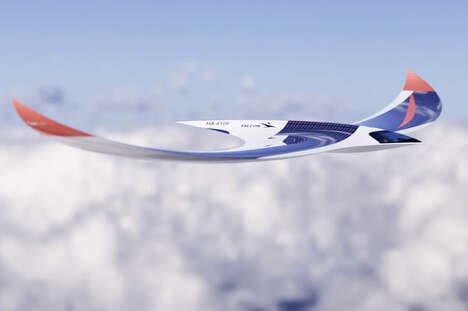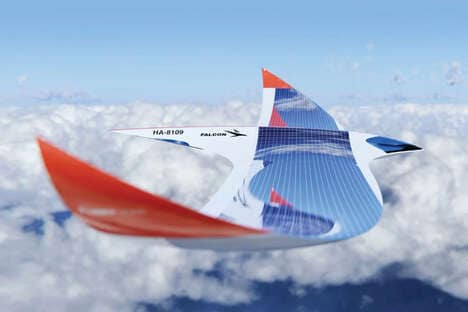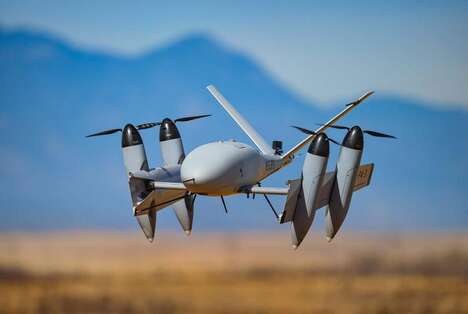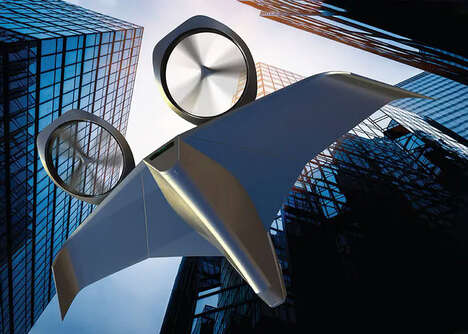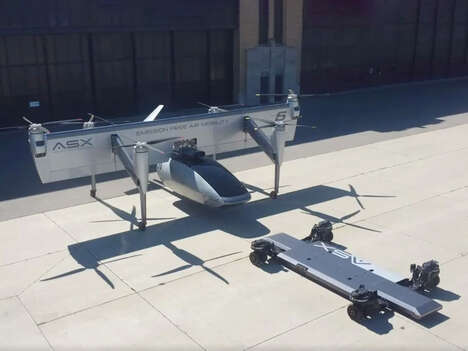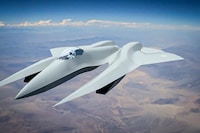


Aviation in the coming years is no doubt going to change dramatically, which is being supported by new designs like this future aircraft that boasts a distinctly fine-tuned functionality. Created by engineers at MIT and NASA, the aircraft features wings that are compromised of hundreds of individual pieces that allow it to change its shape in-flight. This could help to dramatically increase the efficiency of the aircraft and even help with maintenance for a better overall design compared to existing solutions.
The future aircraft makes use of both stiff and flexible components to create better performance for pilots by helping with maneuverability, cruising, take-off and landing. The aircraft identifies what can be done to meet the increasing global transportation needs with a focus on efficiency.
Key Themes Behind This Trend
- Shapeshifting Aircraft
- The development of aircraft with wings that can change shape in-flight creates opportunities for increased aerodynamic performance and efficiency.
- Fine-tuned Functionality
- The integration of hundreds of individual pieces in the aircraft's wings allows for improved maneuverability, cruising, take-off, and landing capabilities.
- Efficient Transportation Solutions
- The focus on efficiency in the design of the future aircraft addresses the increasing global transportation needs.
Where This Applies
- Aviation
- The aviation industry can leverage the disruptive innovation of shapeshifting aircraft to enhance aerodynamic performance and fuel efficiency.
- Aerospace Engineering
- Aerospace engineering industries can explore the opportunities presented by fine-tuned functionality in aircraft design to improve maneuverability and performance.
- Transportation
- The transportation industry can benefit from the efficient solutions offered by the future aircraft, addressing the growing global transportation needs.