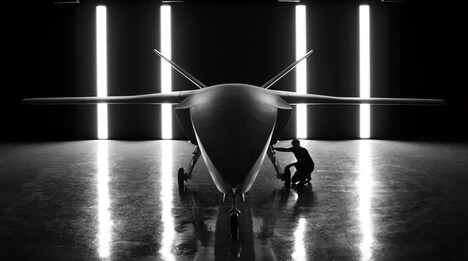
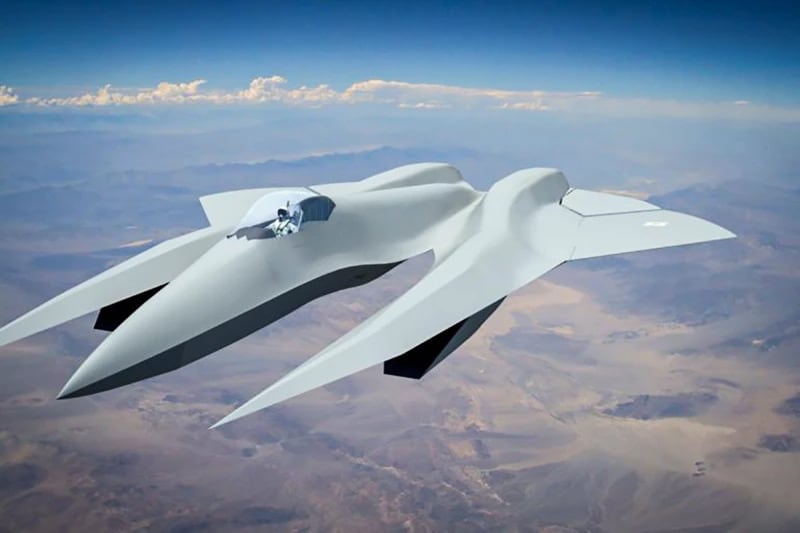
The SM-39 Razor is a conceptual fighter proposed by Stavatti Aerospace for the US Navy’s F/A-XX Next Generation Air Dominance program, featuring a triple-fuselage layout and a blended, variable-camber wing with a titanium-foam airframe. Stavatti introduced the design as a high-performance alternative aimed at carrier operations, claiming exceptional speed and range while integrating uncrewed Collaborative Combat Aircraft control. The company presented the concept as a fresh entry against established defense primes.
Renderings and published specs describe a cantilever mutable wing, high service ceiling and payload, and projected top speeds far beyond competitors; the proposal also highlights the use of titanium foam instead of carbon composites to tolerate extreme thermal loads. Stavatti emphasized the SM-39’s ability to act as a command node for drone swarms and to combine air-to-air, surface-attack and electronic-warfare roles.
For military operators and defense-watchers, the SM-39 signals continued exploration of radical airframe forms and new materials to push performance envelopes; if realized, such designs could change platform roles by pairing manned command assets with uncrewed systems. Practical adoption will depend on demonstrable prototypes, propulsion feasibility and integration with carrier operations.
Image Credit: Stavatti Aerospace
What Makes This Trend Stand Out
- Blended-wing Fighters
- Promises a step-change in carrier-based aerodynamic efficiency and internal payload capacity that could shift fighter design paradigms.
- Triple-fuselage Configurations
- Represents a novel approach to distributing avionics, fuel, and mission systems to create multi-role aircraft that blur the line between manned fighters and airborne command nodes.
- Titanium-foam Airframes
- Offers high thermal tolerance and structural resilience that could enable sustained high-speed, high-temperature flight regimes where composites fail.
Sectors Adopting This
- Naval Aviation
- Stands to redefine carrier air wings through platforms integrating manned leadership with uncrewed swarm control, altering sortie composition and mission planning.
- Defense-uncrewed Systems
- Sees opportunities in collaborative combat aircraft concepts where autonomous drones are coordinated by onboard manned nodes for distributed sensing and strike.
- Aerospace Materials Manufacturing
- Faces demand for advanced metal-foam production and certification processes to support titanium-foam structures operating in extreme thermal environments.