March 2026 travel trends signal a more intentional era of global mobility, one defined by experiential depth, design fluency and culturally attuned storytelling. March showcases how airlines, hospitality groups and luxury brands are reshaping the journey into a cohesive narrative—where infrastructure, cuisine and aesthetics work in concert to elevate movement itself.
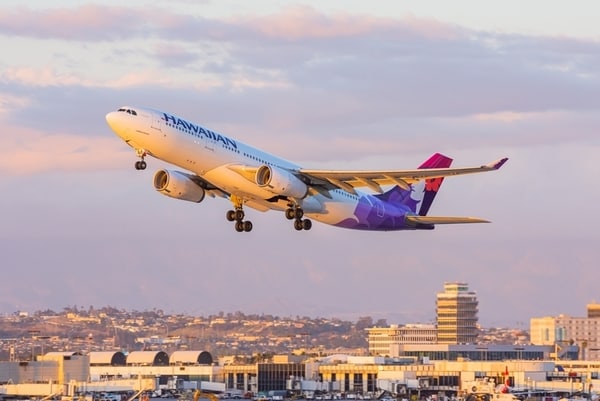
Tourism strategies are evolving beyond seasonal promotion toward tonal reinvention. Tourism Nanaimo’s 'Break Spring' initiative, for instance, reframes the traditional spring getaway as a restorative and unconventional coastal retreat on Vancouver Island, appealing to travelers seeking renewal over routine. At the systems level, Hawaiian Airlines’ $600 million Kahuʻewai Hawai'i Investment Plan reflects long-horizon thinking, with comprehensive upgrades to airport environments, digital interfaces and aircraft interiors—balancing technological modernization with a reaffirmed commitment to local community identity.
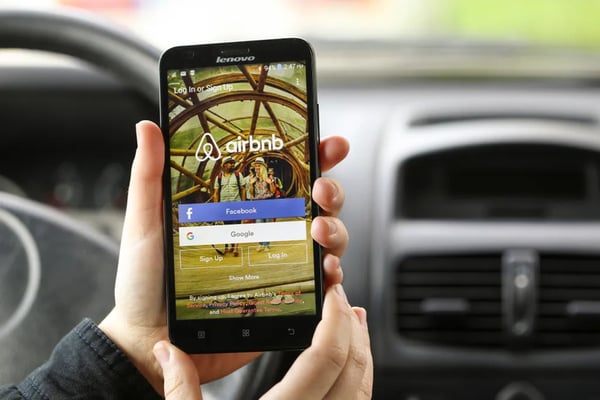
Ultra-premium hospitality continues to push the boundaries of exclusivity. Nobu Hospitality’s new private island resort in the Maldives introduces estate-style residences set on individual isles, complete with private yachts and a standalone Nobu restaurant, effectively merging branded dining with secluded residential luxury. Meanwhile, Airbnb’s cinematic overnight stay at Thrushcross Grange highlights the rise of literary and film-inspired tourism, particularly among Gen Z travelers seeking emotionally resonant destinations.
Inflight experience is also undergoing refinement. Air France’s expansion of Michelin-designed Premium cabin menus across North America underscores the normalization of chef-driven dining at altitude. Complementing this, 'The Ritz-Carlton x Kilometre Paris' capsule and Louis Vuitton’s travel-themed menswear campaign position mobility as both craft and expression.
Collectively, March's travel trends reveal an industry moving toward immersive, design-led journeys where the act of traveling becomes as curated as the destination itself.
- Gen Z
- Gen Alpha
- Millennial (primary audience)
- Gen X (primary audience)