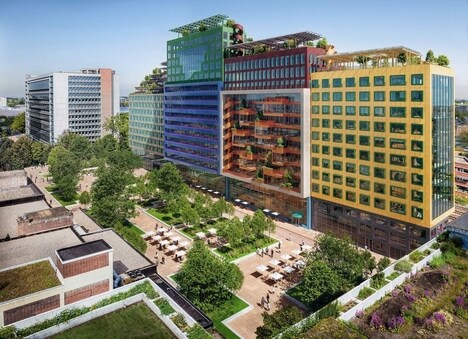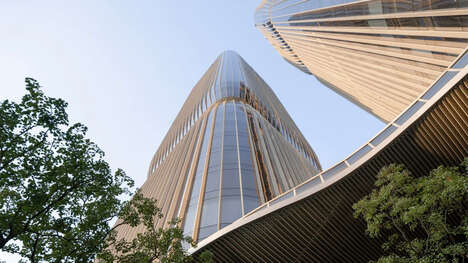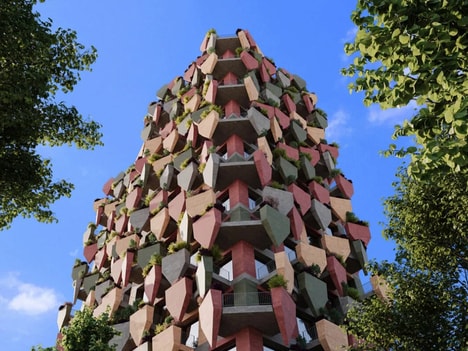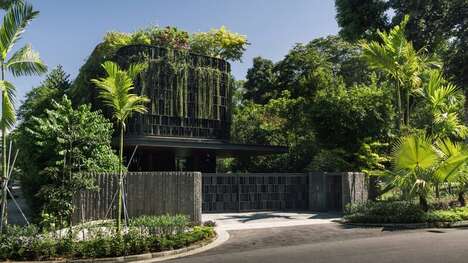
Dutch design firm MVRDV created this office building to resemble a four-petaled flower. The idea for these unique offices was to divide one large building into four smaller units.
The design looks like a four-petaled flower, which surrounds a corolla. In this case, the corolla is a beautiful green space used like a courtyard. Each of the petals is linked together with a connecting bridge located on the top floor of each building. The symmetric structure contains four identical units that are built to reach a four-storey height.
This organic-themed building is cleverly title 'The Flower Building.' The elegantly designed structure is located "near the entrance to a new metro station and acts as a beacon for pedestrians."
What's Driving This Trend
- Organic-themed Architecture
- There exists an innovation opportunity for architects to create more building designs that are inspired by organic shapes and structures.
- Sustainable Urban Development
- There is a growing trend for urban planning and design to incorporate more sustainable and eco-friendly practices and structures.
- Nature-inspired Workplace Design
- Companies and employers can benefit from redesigning their office spaces to include more natural elements and biophilic features that promote a healthier and more productive work environment.
Who This Affects Most
- Architecture
- Innovative architects and designers can take inspiration from this flower-mimicking office building to create more unique and sustainable structures.
- Real Estate and Urban Planning
- Real estate developers and urban planners can explore incorporating more organic shapes and green spaces into their projects to create more livable and sustainable cities.
- Workplace Design
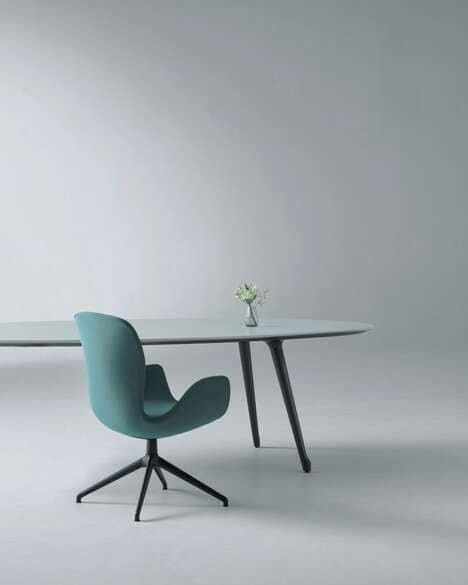
- There is a growing demand for workplace designers and furniture manufacturers to create more nature-inspired office spaces that promote employee well-being and productivity.