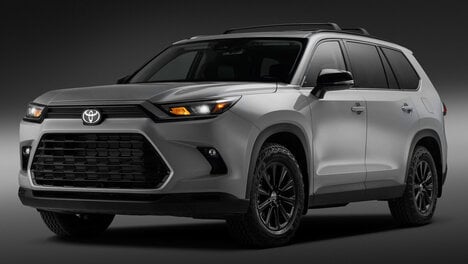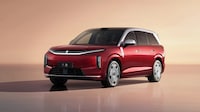
Toyota is preparing to introduce its first extended-range electric vehicle (EREV), using a petrol engine to generate electricity when the battery runs low. The new crossover is expected to be based on the Highlander, although Toyota has yet to confirm its name or full specifications. The company is previewing the vehicle ahead of its official reveal on November 27.
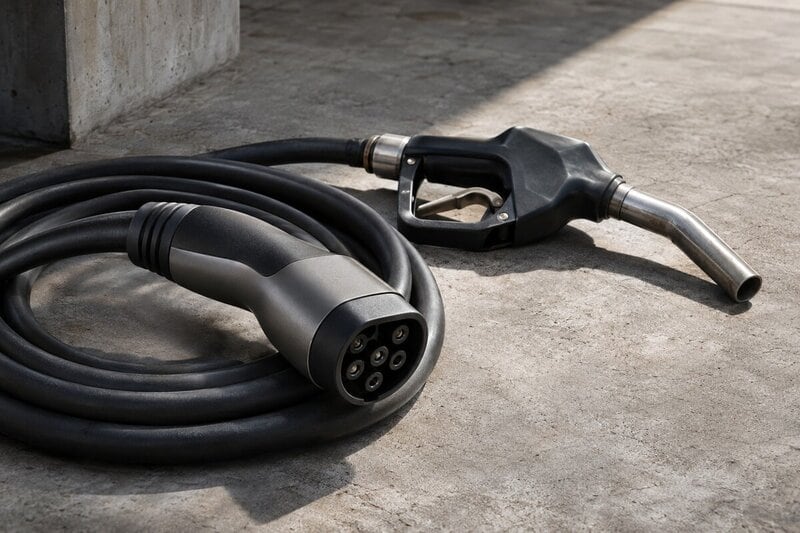
The EREV will make its debut in Guangzhou, with production in China scheduled to begin in spring 2027. Unlike a conventional hybrid, the vehicle uses its electric motor to drive the wheels, while the petrol engine acts as a generator rather than directly powering the car. This setup allows drivers to benefit from electric driving without relying solely on battery range.
The launch marks Toyota’s entry into the growing range-extended EV segment, which offers an alternative to both traditional hybrids and fully battery-powered vehicles. China will be the first market to receive the model, as Toyota expands its electrified offering in one of the world’s most competitive car markets.
Image Credit: AI-generated
Key Themes Behind This Trend
- Range-extended Electrics
- Petrol generators paired with electric drivetrains create room for vehicle platforms that reduce range anxiety while preserving an EV-like driving experience.
- China-first Electrification
- Debuting advanced electrified models in China reflects how competitive local demand can accelerate product experimentation and market-specific vehicle design.
- Crossover Powertrain Hybrids
- Family SUV formats are becoming test beds for blended powertrain systems that bridge consumer familiarity with emerging electrified mobility expectations.
Where This Applies
- Automotive Manufacturing
- Established automakers can reshape production roadmaps around flexible architectures that support hybrids, EREVs, and battery-electric variants.
- Electric Mobility
- The rise of range-extended models broadens the electrification landscape with alternatives suited to drivers and regions not yet fully aligned with charging infrastructure.
- Energy Infrastructure
- Vehicles that rely less exclusively on charging networks highlight transitional opportunities across fuel supply, distributed charging, and grid-readiness planning.
Featured Reports

Creatine Is Leaving the Gym. The Beverage Industry Should Pay Attention.

American Dream Fatigue