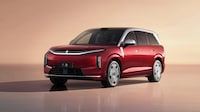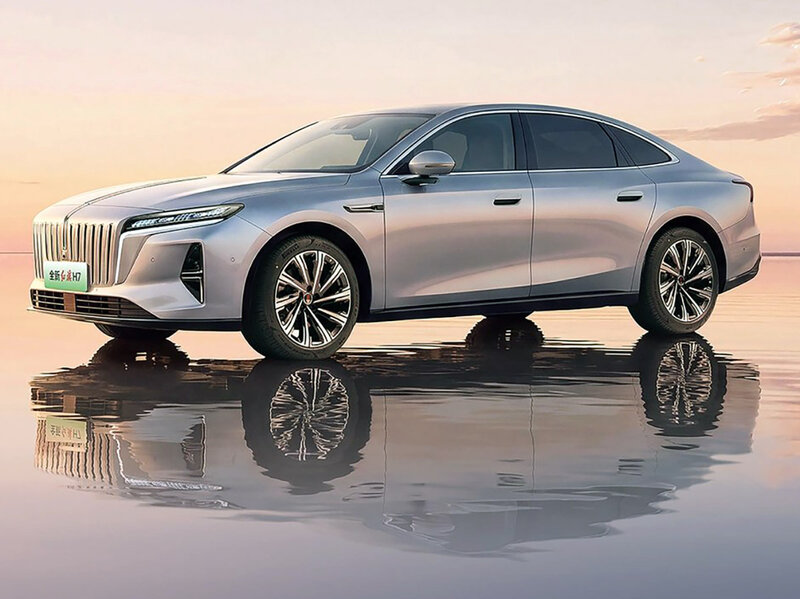
FAW’s Hongqi H7 is an extended-range electric sedan pairing an electric drivetrain with a 1.5-liter turbocharged generator engine. The production model traveled 2,916.171 kilometers (1,812 miles) on one charge and tank, earning Guinness recognition for the longest distance covered by a production passenger car on public roads. Chinese pricing starts at about $27,000.
The H7 offers ternary lithium or lithium iron phosphate battery options and a claimed 240-kilometer electric range under China’s CLTC cycle. After the battery is depleted, Hongqi reports fuel consumption of 4.4 liters per 100 kilometers. The generator engine has a claimed thermal efficiency of 45.21% and uses 92-octane gasoline.
For drivers, the configuration combines electric propulsion with gasoline-backed range for longer trips. Record conditions don't reflect typical daily driving, but the result reflects growing interest in EREVs as charging infrastructure develops. For FAW, the record and entry price differentiate the H7 through endurance and accessibility.
Image Credit: Hongqi
Key Themes Behind This Trend
- Ultra-range EREV Mobility
- Extended-range electric sedans are reframing long-distance travel by blending EV driving feel with gasoline backup for markets still building reliable charging networks.
- Affordable Endurance Vehicles
- Record-setting range at mass-market pricing signals new competitive space where automakers can differentiate through practical distance, efficiency, and accessibility.
- Hybrid Efficiency Engineering
- High-thermal-efficiency generator engines paired with flexible battery chemistries create openings for cleaner transitional powertrains without full dependence on charging infrastructure.
Where This Applies
- Automotive Manufacturing
- Legacy and emerging automakers can use EREV platforms to bridge consumer range anxiety while competing with pure EVs on cost and usability.
- Battery Technology
- Multiple battery chemistry options in one vehicle platform highlight demand for adaptable energy storage strategies tailored to price, safety, and range priorities.
- Fuel and Charging Infrastructure
- The rise of long-range EREVs reshapes infrastructure planning by linking gasoline availability with gradual charging network expansion for mixed-energy mobility.