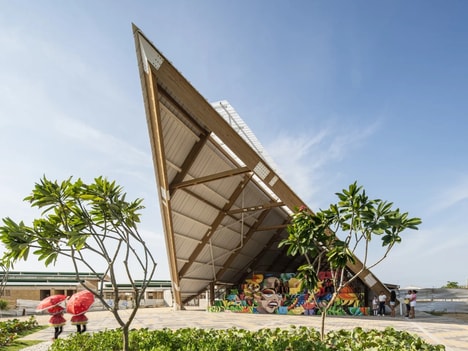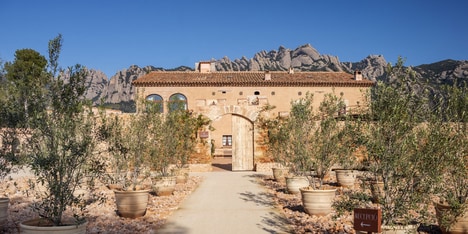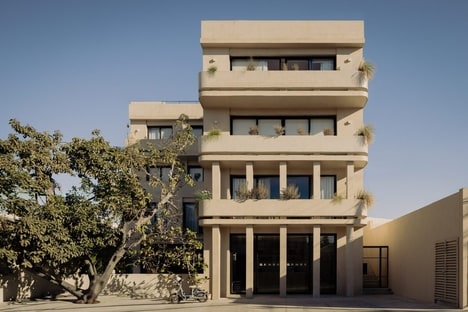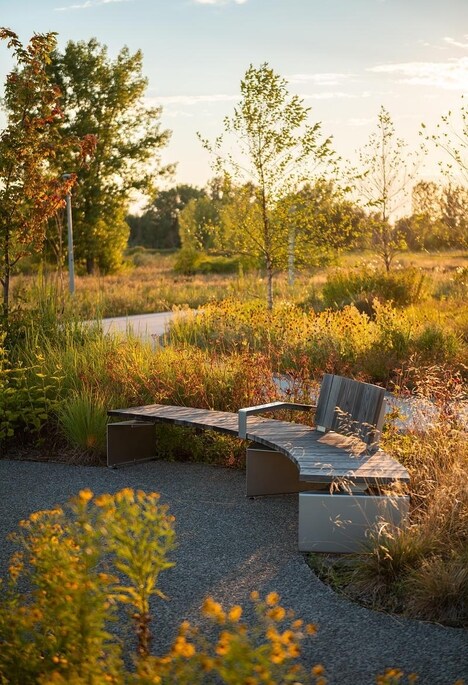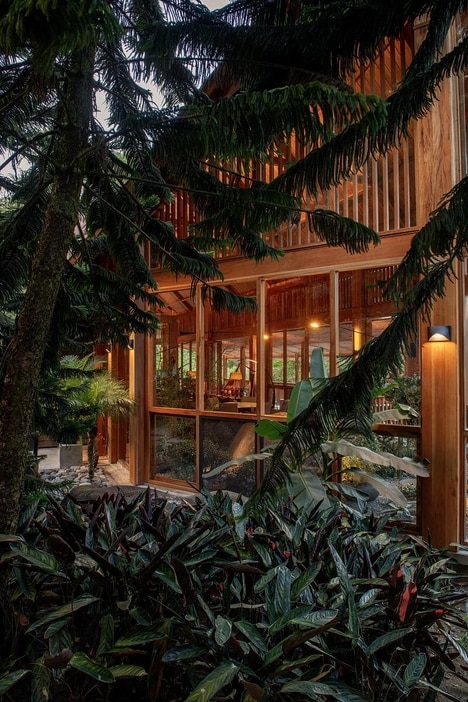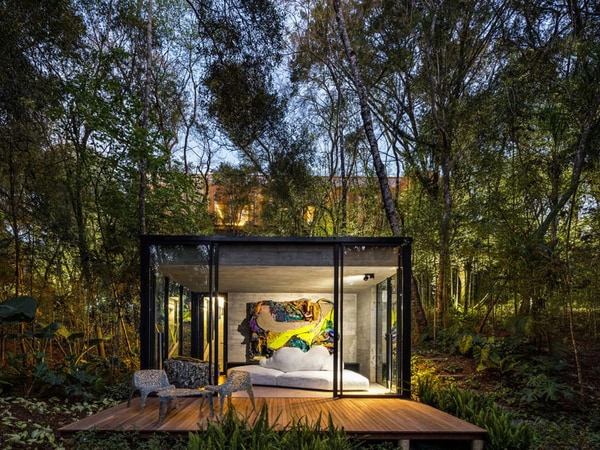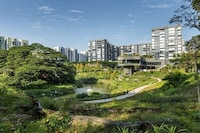
DEB Architecture and El Equipo Mazzanti have collaboratively developed the Ciénaga de Mallorquín Ecopark in Barranquilla, Colombia — a groundbreaking environmental regeneration and public space intervention that redefines the relationship between a rapidly urbanizing city and its critical coastal wetland ecosystem.
The core of the Ciénaga de Mallorquín Ecopark vision lies in the designers' conception of 'living edge' — an active band of elevated walkways, observation platforms, and gathering spaces that protects the lagoon's biological and hydrological processes while simultaneously granting public access that allows visitors to experience the mangrove without directly occupying or disrupting its fragile terrain. This approach represents a fundamental shift from traditional conservation models that either exclude human presence entirely or permit destructive encroachment,
Image Credit: Alejandro Arango
Why This Trend Is Growing
- Living Edge Parks
- Elevated public-space systems around fragile ecosystems reveal opportunities for urban design that blends access, education, and habitat protection without direct environmental intrusion.
- Regenerative Coastal Infrastructure
- Wetland-focused park interventions highlight new potential for climate-adaptive infrastructure that restores natural hydrology while strengthening civic resilience.
- Eco-integrated Public Spaces
- Public destinations designed around biodiversity preservation create openings for experiential amenities that make conservation visible, engaging, and locally valuable.
Industries Being Reshaped
- Architecture and Urban Design
- Firms shaping parks, waterfronts, and mixed-use districts can differentiate through spatial models that turn ecological boundaries into accessible civic assets.
- Environmental Engineering
- Demand for projects that protect mangroves, lagoons, and wetlands signals growth in technical solutions combining habitat regeneration with public infrastructure.
- Tourism and Recreation
- Nature-based visitor experiences supported by low-impact walkways and observation areas point to new formats for eco-tourism within urban environments.