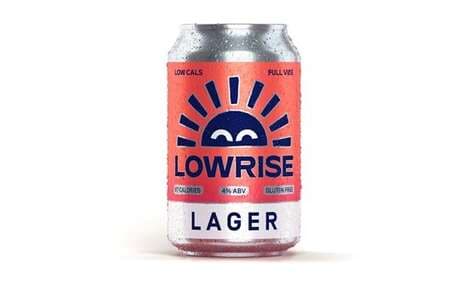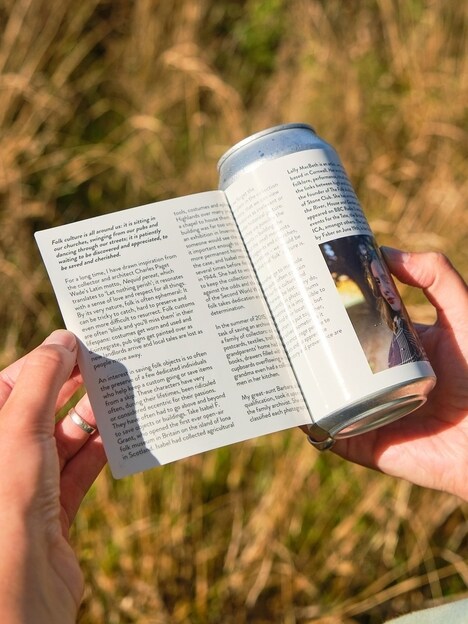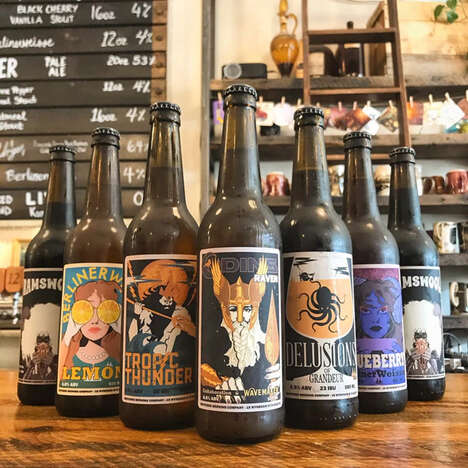
The brand 'Vrolijkheid' wanted to set itself apart from its competitors by offering a new definition for beer, and its resulting branding features descriptive beer labels.
Designed by 'Typical Organization,' the packaging applies a very literal interpretation of the beer brand's goal of being a beer that defines others. The labeling comes in the same format as most dictionaries – featuring the name of the brand and then a description of the beer itself in the same format as the words that are defined in these informational books. The beer bottles and the boxes they come in use a typeface that references the "Dutch Golden Age" and the "freedom in the press."
These descriptive beer labels offer a unique style that is very distinct from most similar products on the market.
What Makes This Trend Stand Out
- Descriptive Beer Labeling
- Exploring the use of descriptive labels on beer packaging to create a unique and distinct brand identity.
- Literal Interpretation
- Applying a literal interpretation of a brand's goal through packaging design to stand out in the market.
- Influenced by Dictionary Formats
- Using dictionary format to present product information, creating an unconventional and eye-catching beer packaging design.
Sectors Adopting This
- Brewery
- Breweries can incorporate descriptive labels on their beer packaging to differentiate their products and appeal to consumers looking for unique experiences.
- Graphic Design
- Graphic design agencies can explore the use of literal interpretation and unconventional formats to create attention-grabbing packaging designs for various products.
- Advertising and Marketing
- Advertising and marketing professionals can draw inspiration from the unique style of descriptive beer labels to create innovative campaigns that capture consumer attention and increase brand awareness.