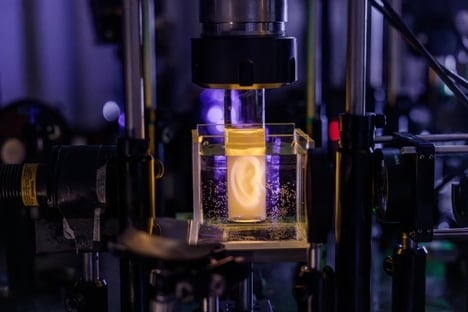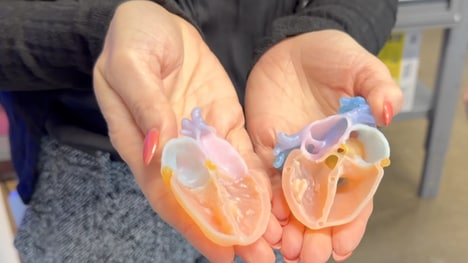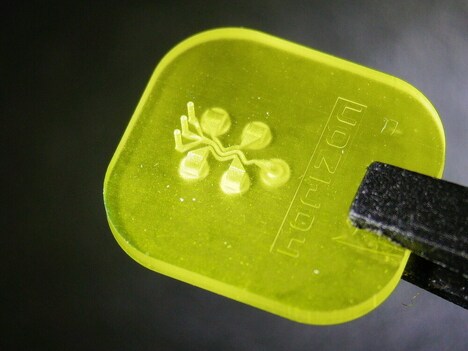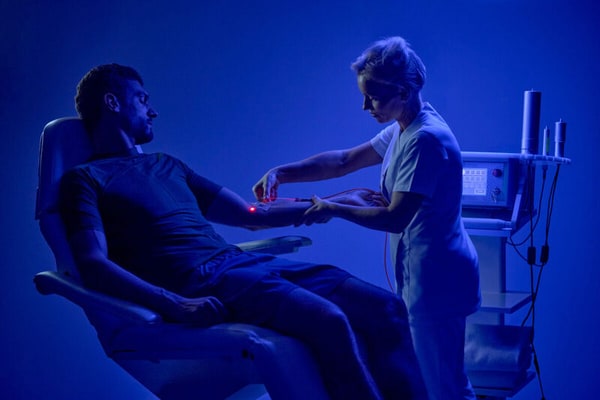
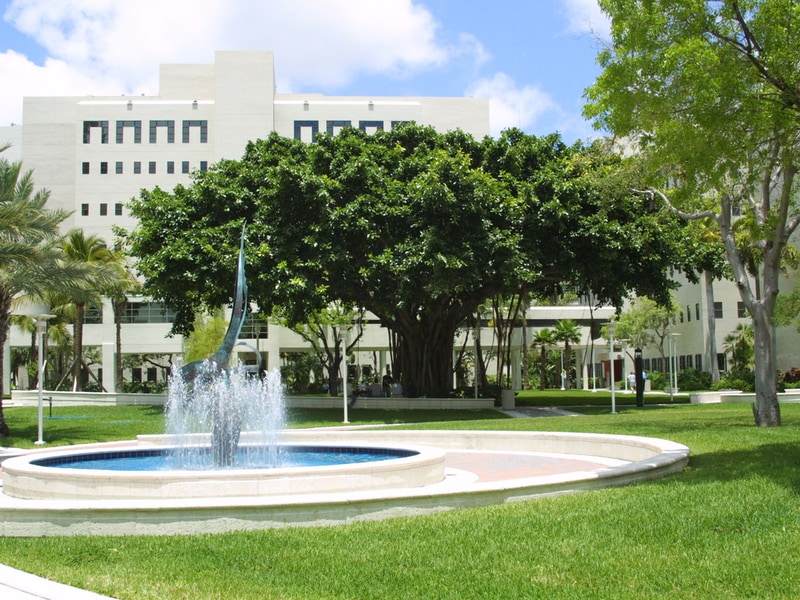
The University of Miami’s Miller School of Medicine opened a dedicated 3D Bioprinting Facility within BioNIUM, featuring systems designed to print living cells and bioactive materials at physiological temperatures. The center is built to produce patient-specific implants, living tissue models and advanced drug-delivery formats, with printing resolution down to about 200 nanometers.
Staffed by researchers, engineers and clinicians, the facility combines bioprinters with nanofabrication tools such as photolithography and electron-beam lithography, plus advanced imaging for materials characterization. Early projects include bone-regeneration scaffolds and microfluidic devices, and teams are preparing technologies for preclinical testing and future trials.
For patients and clinicians this hub shortens the path from lab prototypes to translational applications by colocating expertise and equipment, enabling personalized implants and regenerative constructs that preserve cell viability. The center signals a step toward integrating bioprinting into clinical workflows and accelerated medical-device development.
Image Credit: The University of Miami
Why This Trend Is Growing
- Clinical Bioprinting Hubs
- Dedicated facilities that combine clinicians, engineers and fabrication tools create new pathways for translating living tissue constructs into hospital-ready therapies.
- Patient-specific Regeneration
- Personalized implants and scaffolds produced from bioactive materials signal a shift toward customized regenerative treatments for complex injuries and disease states.
- Nano-precision Tissue Models
- High-resolution bioprinting paired with microfluidics and advanced imaging expands the potential for more predictive drug testing, disease modeling and preclinical validation.
Industries Being Reshaped
- Regenerative Medicine
- Bioprinted tissues and cell-preserving constructs are reshaping how providers approach repair, replacement and restoration of damaged biological structures.
- Medical Devices
- Integrated bioprinting and nanofabrication capabilities introduce faster development cycles for implantable devices, drug-delivery systems and preclinical prototypes.
- Pharmaceutical Research
- Living tissue models with patient-relevant properties offer drug developers more precise platforms for efficacy screening, toxicity assessment and formulation design.