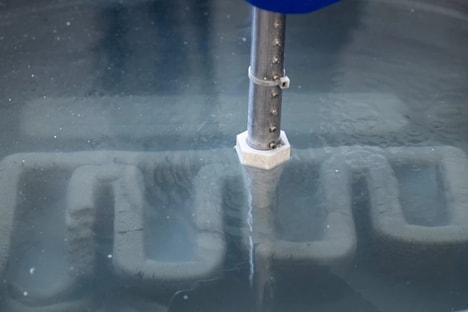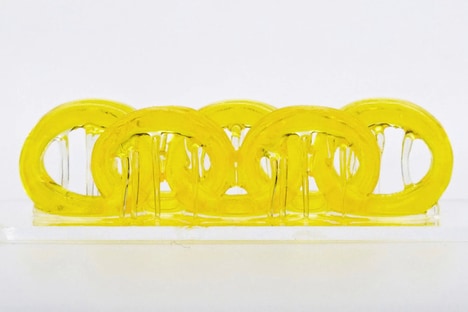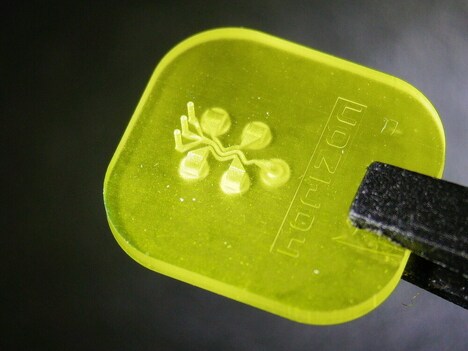
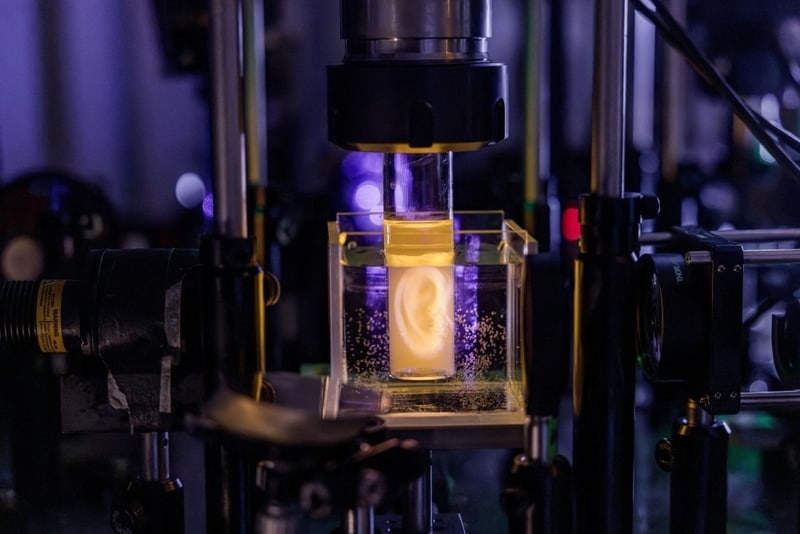
Volumetric bioprinting is advancing the ability to create tissue-like structures at speeds and scales that could support future biomedical applications. Researchers at EPFL have developed a holographic light-based printing approach that uses controlled laser projections to rapidly fabricate complex biological structures containing living cells. The method reportedly improves printing efficiency significantly compared to previous techniques while enabling the production of larger, more detailed tissue models. By controlling light through holographic beam shaping, the system can create high-resolution structures while maintaining cell viability, bringing biofabrication closer to practical medical and research applications.
The growing demand for regenerative medicine solutions is creating opportunities for advanced tissue manufacturing technologies. Faster and more precise bioprinting systems could support medical research, drug testing, tissue engineering, and future implant development while reducing production timelines. For healthcare technology companies and research institutions, scalable biofabrication platforms may help accelerate the development of personalized treatments and next-generation therapeutic solutions, expanding the possibilities of biologically engineered healthcare products.
Image Credit: 2026 Adrien Buttier/EPFL CC BY SA
Why This Trend Is Growing
- Volumetric-holographic Bioprinting
- A holographic light-based approach enables rapid fabrication of complex, cell-laden structures that could redefine throughput and resolution benchmarks in tissue production.
- Rapid High-resolution Tissue Fabrication
- Greater printing speeds combined with fine spatial control are enabling the creation of larger, more detailed tissue models while preserving cell viability.
- Scalable Personalized Tissue Manufacturing
- Advances in beam-shaping and biofabrication workflows are moving toward platforms capable of producing patient-specific tissues at clinically relevant scales.
Industries Being Reshaped
- Regenerative Medicine
- Improved volumetric bioprinting methods present the potential for engineered tissues and grafts that reduce wait times and expand treatment personalization.
- Pharmaceutical Research and Development
- High-fidelity tissue models produced rapidly could transform preclinical testing by offering more physiologically relevant platforms for drug screening and toxicity studies.
- Medical Device and Implant Manufacturing
- The ability to print complex, living architectures at scale indicates pathways toward biologically integrated implants and hybrid device–tissue products.