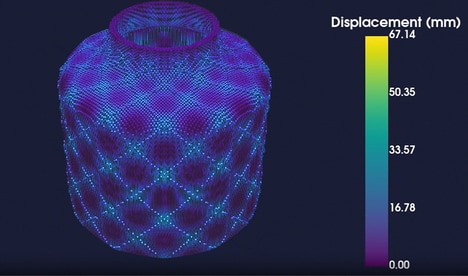
Syslunar is building space life-support simulators using 'SOMA,' its physics-based model for planning how crews survive in orbit. The software lets aerospace teams test cabin pressure, crew metabolism, and other life-support demands before hardware is built, the company says.
Its simulations can be adjusted for different cabin dimensions and crew sizes, then used to calculate waste handling, air revitalization, pressure control, and food needs. The current prototype can map the oxygen and carbon dioxide required for a crew of two over 15 days in orbit, with a visual graph that shows shortages and surpluses.
Syslunar shows how moving life-support checks into software first can give space companies and aerospace teams a modeling tool for crewed missions, with a prototype covering a two-person crew over 15 days in orbit.
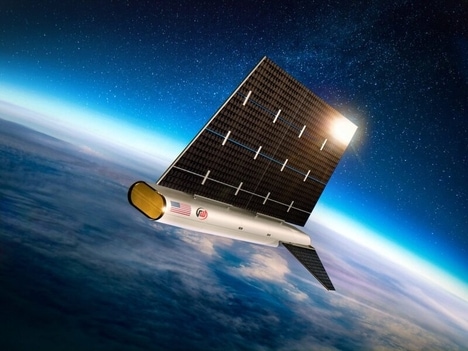
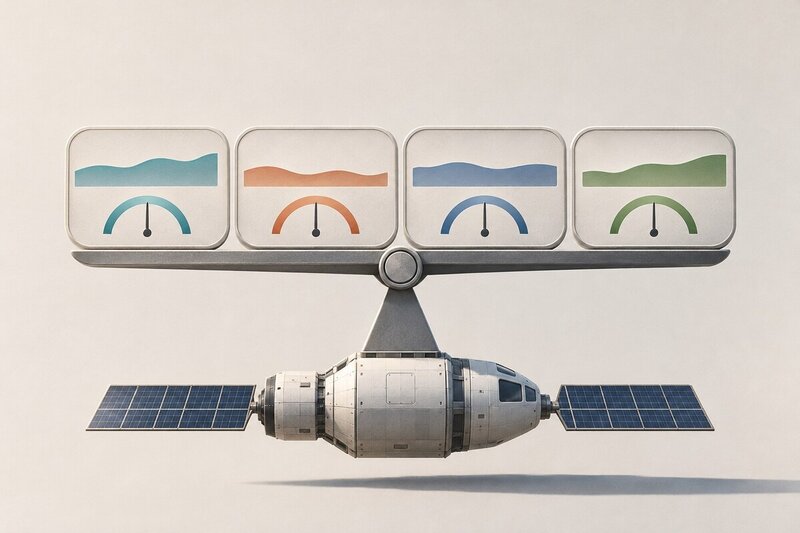
Image Credit: AI-generated
What Makes This Trend Stand Out
- Pre-hardware Simulation
- Physics-based digital modeling creates room for aerospace teams to validate mission-critical systems earlier, reducing dependence on costly prototype cycles.
- Crewed Mission Digital Twins
- Virtual representations of spacecraft habitats offer new ways to forecast resource use, environmental stability, and survival constraints across varied mission scenarios.
- Adaptive Life-support Planning
- Configurable models for crew size, cabin volume, and mission length reveal opportunities for more flexible life-support architectures in commercial spaceflight.
Sectors Adopting This
- Aerospace Software
- Specialized simulation platforms are expanding the role of software as a core infrastructure layer for designing safe and efficient crewed spacecraft.
- Space Exploration
- Long-duration orbital and lunar missions are creating demand for predictive tools that improve confidence in habitat performance before launch.
- Environmental Control Systems
- Air revitalization, pressure regulation, and waste management technologies are becoming more data-driven as virtual testing informs next-generation system design.