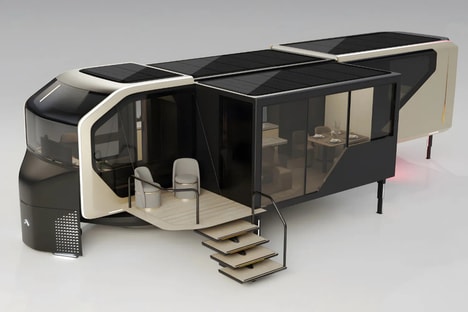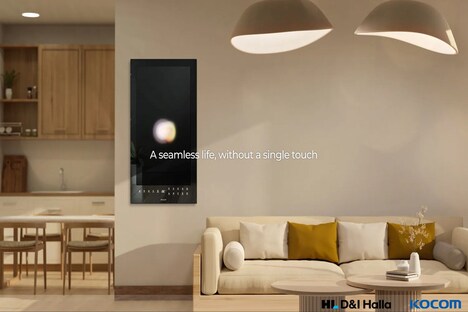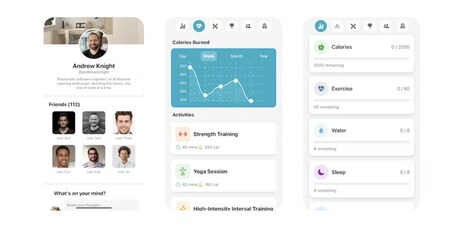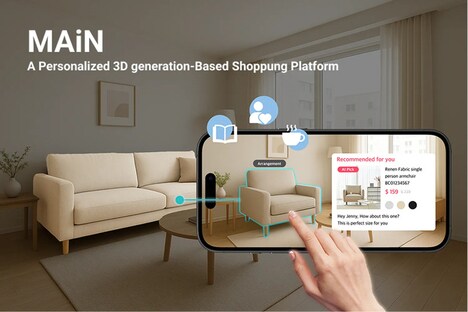

LiveLarge Home has introduced its Flagship L-Space — a new category of AI-native living environment that embeds intelligence directly into the architectural fabric of the space. This space incorporates the company's proprietary Space AI technology, which uses a central assistant named Lila to learn individual user preferences and store them in long-term memory.
The AI-native living environment can proactively orchestrate various integrated modules, including a 5.1 surround sound system, air circulation, and a 4K short-throw projector. The Flagship L-Space is designed to anticipate the user's mood and activities in real time, adjusting interior conditions with minimal input to create a personalized environment that adapts to work, wellness, creativity, or relaxation. The structure is built as a premium standalone space that can be installed quickly.
Image Credit: LiveLarge Home
What Makes This Trend Stand Out
- AI-native Interiors
- Embedded spatial intelligence is redefining rooms as adaptive systems that learn habits, anticipate needs, and personalize comfort without constant user input.
- Modular Smart Spaces
- Premium standalone environments create new possibilities for rapidly installed living, work, and wellness spaces that blend architecture with connected technology.
- Mood-adaptive Automation
- Real-time orchestration of lighting, sound, air, and media signals a shift toward environments that respond to emotional context and daily routines.
Sectors Adopting This
- Smart Home Technology
- Integrated AI assistants with long-term memory expand the market for connected home systems that move beyond device control into whole-space personalization.
- Interior Architecture
- Intelligent materials and embedded systems are turning architectural design into an interactive platform for adaptive living experiences.
- Wellness Real Estate
- Personalized environmental control supports demand for dedicated spaces that optimize relaxation, focus, creativity, and recovery within residential settings.