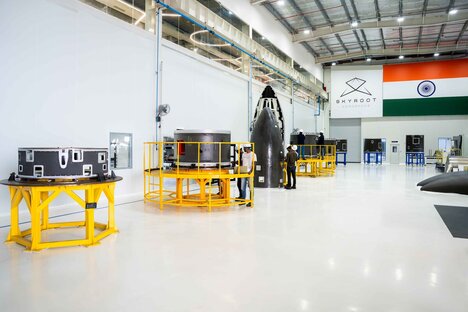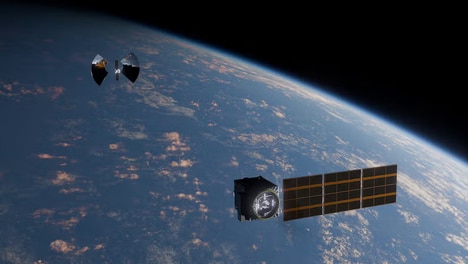

Moonshot Space is building an orbital freight system centered on an electromagnetic launcher, designed to fling small cargo craft off the ground before onboard propulsion carries them onward. Instead of treating rockets as one-time delivery vehicles, the concept repurposes launch hardware as a restocking tool for equipment operating above Earth.
The setup targets lighter, repeat trips carrying propellant or replacement parts, which could keep satellites and commercial stations operating without packing every need into a single mission. That matters because rideshare options can cut costs but may miss the right orbit or timing for resupply, leaving a gap between heavy rockets and routine orbital upkeep.
Within this category, attention shifts from reaching orbit to supporting what is already there. Space infrastructure developers will need to weigh cargo cadence against launch price, and competitors pursuing orbital services may need their own solution for dependable resupply.
Image Credit: Moonshot Space
What's Driving This Trend
- Orbital Freight Cadence
- Regularized cargo movement in low Earth orbit signals a shift toward logistics platforms that make satellite servicing and station operations less dependent on singular launch events.
- Electromagnetic Launch Systems
- Ground-based acceleration technologies introduce alternative cost structures for small payload delivery, creating space for hybrid launch models that reduce reliance on conventional rockets.
- In-space Resupply Networks
- Reusable restocking architectures expand the commercial value of orbital assets by supporting fuel, parts, and maintenance needs across longer operational lifecycles.
Who This Affects Most
- Commercial Spaceflight
- Frequent cargo infrastructure reshapes launch economics by separating routine orbital upkeep from large-scale mission deployment.
- Satellite Services
- Dependable resupply access strengthens opportunities for satellite longevity, modular repairs, and more flexible constellation management.
- Aerospace Manufacturing
- Demand for lightweight cargo craft, propulsion modules, and compatible orbital hardware creates new market pathways for suppliers serving reusable space logistics systems.