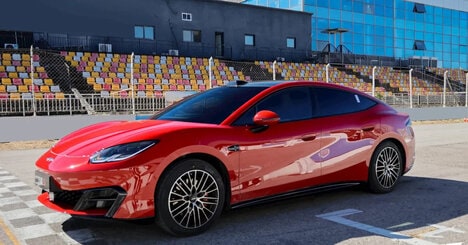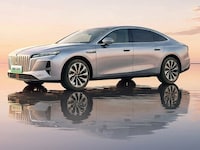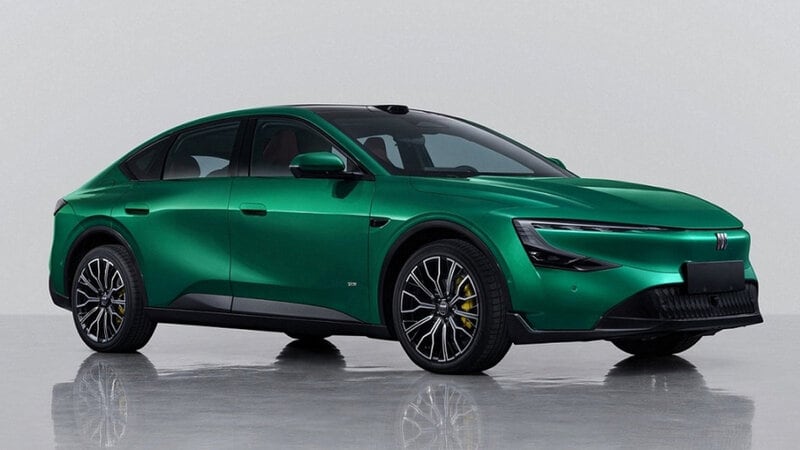
Buick is preparing the ‘Electra GS’ for China as a plug-in hybrid, replacing the concept’s all-electric layout with a gas-electric drivetrain for sedan buyers not sold on a full EV. The production car also swaps the concept’s trunk for a hatch and replaces the yoke with a conventional steering wheel.
The production car is much smaller than the concept, measuring 196.1 inches long with a 112.8-inch wheelbase. That places it in midsize sedan territory, while the hatchback layout adds everyday cargo flexibility for drivers choosing a low four-door over an SUV.
China-only availability gives Buick a plug-in sedan in a market where it still sells cars, while U.S. buyers have had no Buick sedan since ‘Regal’ sales ended in 2020. The ‘Electra GS’ also highlights a gap in GM’s American range because the SAIC tie-up and U.S. rules on Chinese software make an import hard to justify.
Image Credit: MIIT
What's Driving This Trend
- Plug-in Hybrid Sedans
- Automakers are using gas-electric powertrains to bridge consumer hesitation around full EV ownership while preserving lower-emission positioning in sedan segments.
- Hatchback Sedan Utility
- Four-door hatch layouts create new value in declining sedan categories by combining traditional driving dynamics with cargo flexibility typically associated with crossovers.
- Market-specific Electrification
- Regionally tailored drivetrain strategies reveal opportunities for brands to match regulatory, infrastructure, and consumer readiness differences without relying on one global EV roadmap.
Who This Affects Most
- Automotive Manufacturing
- Legacy manufacturers can differentiate mature nameplates through hybrid architectures, localized body styles, and market-specific production partnerships.
- Electric Mobility
- The shift from concept EVs to production plug-in hybrids reflects a more flexible electrification market shaped by charging access, price sensitivity, and adoption barriers.
- Global Auto Trade
- Software restrictions and cross-border sourcing challenges are reshaping which vehicle platforms can move between markets, creating openings for localized development ecosystems.