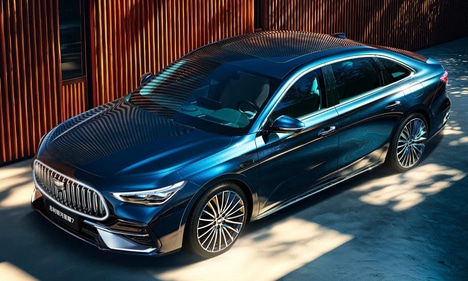
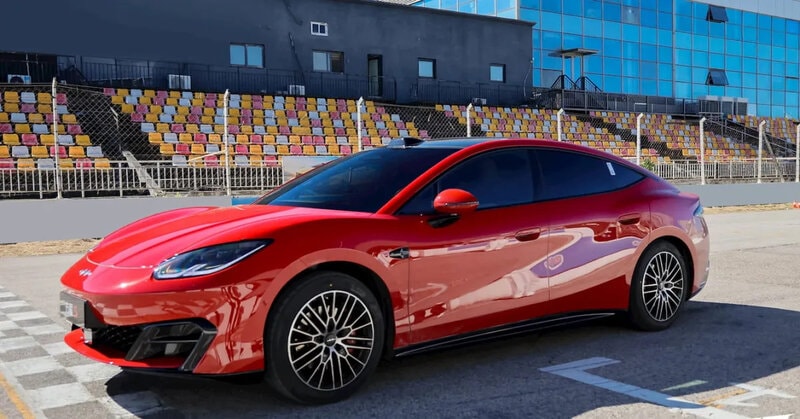
BYD introduced the Formula S series under its Fang Cheng Bao sub-brand, featuring the brand’s first sedan and grand tourer. Both pair second-generation Blade Batteries with Flash Charging and are available with rear-wheel- or all-wheel-drive powertrains. The launch moves Fang Cheng Bao beyond its established SUV lineup and into China’s competitive electric sedan market.
The Formula S family spans five variants—three sedans and two GT models—priced from 189,900 to 239,900 yuan, or about $28,000 to $35,000. Claimed CLTC ranges extend from 730 kilometers to 900 kilometers for the sedans, while the GT reaches up to 850 kilometers. All models include BYD’s God’s Eye B driver-assistance system, DiSus body control and cabin features such as 128-color ambient lighting, sports seats, a 26-inch augmented-reality head-up display and a 6.9-liter refrigerator.
BYD says the series can charge from 10% to 70% in five minutes and reach 97% in nine minutes. Pricing below China’s Tesla Model 3 positions Formula S around range, rapid charging and value. The lineup broadens Fang Cheng Bao’s customer base, although overseas availability remains unconfirmed.
Image Credit: Electrek
Key Themes Behind This Trend
- Value-priced Electric Sedans
- Affordable long-range EV sedans are intensifying pressure on premium incumbents by combining competitive pricing with high-end features once reserved for luxury models.
- Ultra-fast Charging Platforms
- Five-minute charging claims point to a future where battery architecture and charging ecosystems become central differentiators in mass-market electric mobility.
- Feature-rich Smart Cabins
- Augmented-reality displays, ambient personalization and integrated comfort amenities are turning vehicle interiors into technology-led experience platforms.
Where This Applies
- Electric Vehicles
- The expansion of lower-cost performance EVs creates room for automakers to challenge established brands through range, charging speed and equipment density.
- Battery Technology
- Advanced blade-style battery systems are reshaping expectations around safety, charging performance and affordability in next-generation passenger vehicles.
- Automotive Software
- Driver-assistance systems and intelligent body controls are becoming embedded value drivers as software-defined features spread into mid-priced vehicle segments.