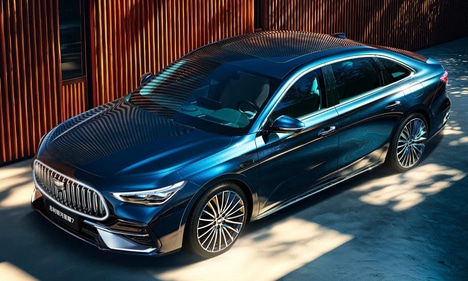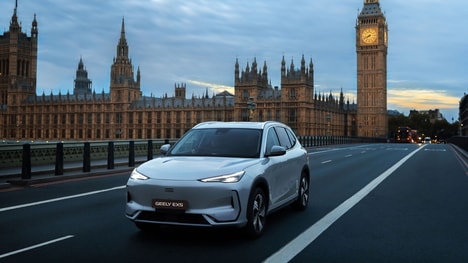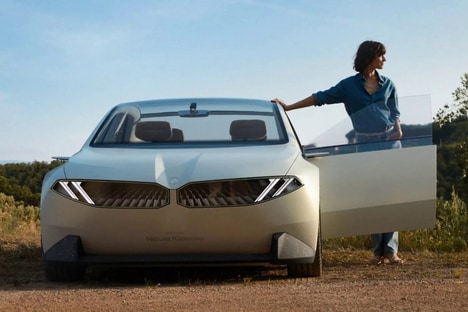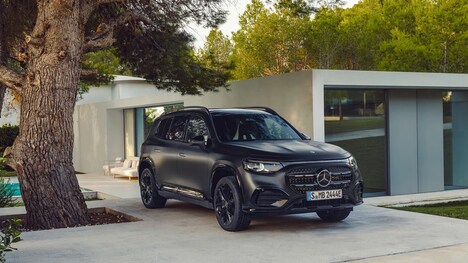
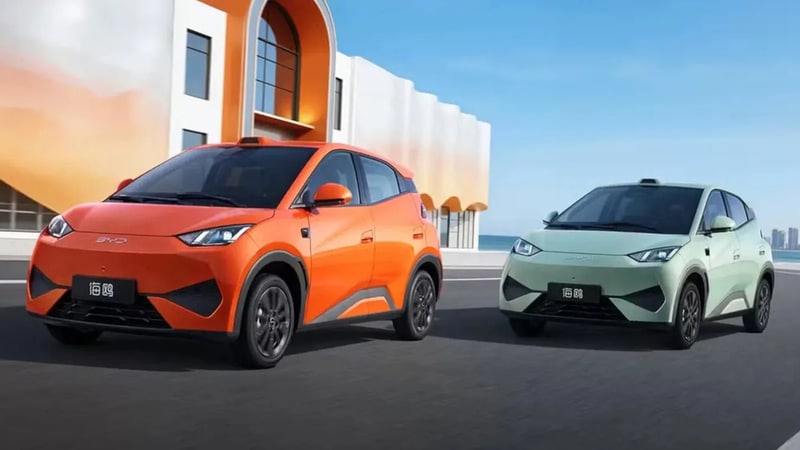
The 2026 BYD Seagull has been showcased by the brand as one of its latest electric vehicle models that sets itself apart from the competition with its high-performance design and low-cost price point. The EV is outfitted with a LiDAR-powered self-driving package called the DiPilot 300 system that will offer impressive city street navigation when on autopilot, while also handling light traffic conditions and roundabouts. The vehicle is equipped with a 12.8-inch central touchscreen in the middle to handle both navigation and 3D vehicle controls with a number of convenience features like a power-adjusted driver's seat, heated front seats and an optional 50W wireless charger.
The 2026 BYD Seagull is rated to deliver up to 250-miles of range and is priced starting at £7,700 to make it truly competitive entrant to the category.
Image Credit: BYD
Why This Trend Is Growing
- Affordable Lidar Integration
- Widespread LiDAR inclusion in budget EVs could enable scalable low-cost autonomy stacks that change fleet capabilities and vehicle valuation.
- Entry-level EV Range Expansion
- Longer ranges at subcompact price points could shift ownership economics and enable new long-distance shared mobility models.
- In-car Spatial Computing Interfaces
- Integrated 3D controls and larger touchscreens create possibilities for contextualized user experiences that blend vehicle control, navigation, and digital services.
Industries Being Reshaped
- Automotive Manufacturing
- Mass-Market Carmakers Face Potential Reconfiguration Of Supply Chains And Modular Platforms To Integrate Sensing Stacks While Preserving Low Costs.
- Urban Mobility Services
- Ride-Hailing And Microtransit Operators May Encounter Disruption From Affordable Autonomous-Capable Fleets That Lower Per-Mile Operating Costs.
- Consumer Electronics-auto Infotainment
- Automotive-Grade Consumer Tech Providers Could Capture Demand For Wireless Charging, Advanced HMI Software, And Personalized In-Cabin Media Tied To Subscriptions.