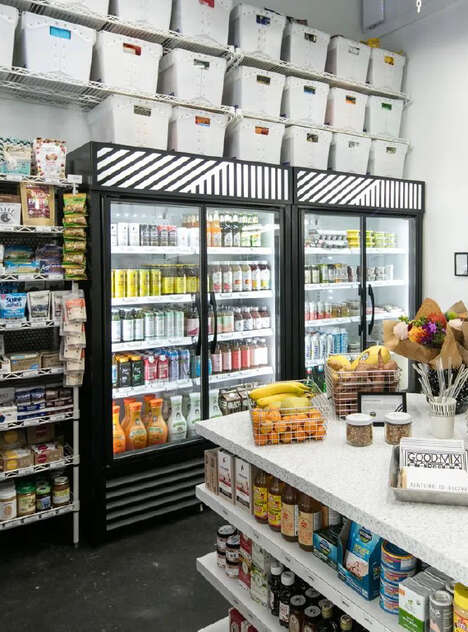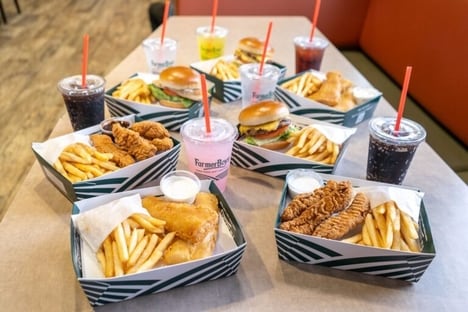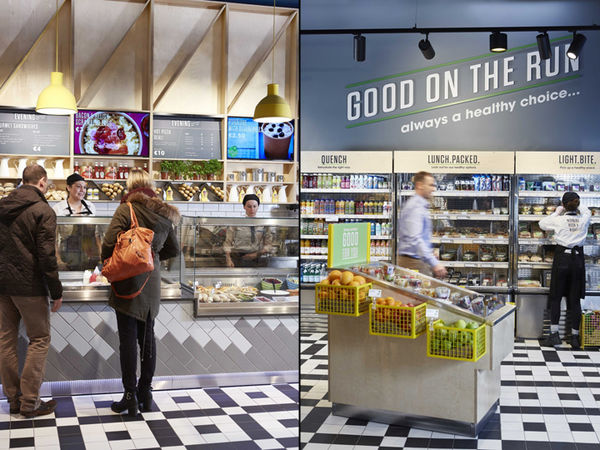


Unlike pricier boutique grocers, Daily Meal is a premium food retailer that offers quality at a low price. With its first location opened in Boston, the grocer has changed the way local residents look at nutrition. While many of Boston's low-income families opt for a fast food meal plan, Daily Meal prides itself on a business model that offers premium products at a low price.
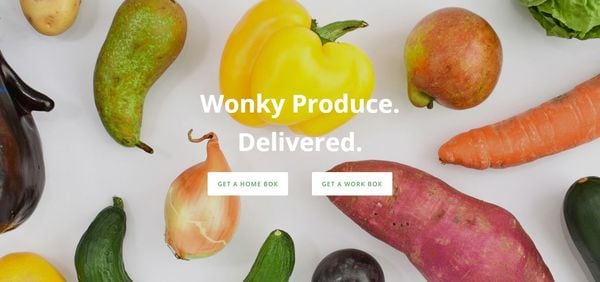
Daily Meal is able to keep operating costs and prices low by sourcing foods that are at a surplus, or nearing their expiration date. The company's founder Doug Rauch is the former president of Trader Joe's and has created a socially conscious business that is successful thanks to its close ties with farmers, local markets and food manufacturers.
In addition to promoting a "high quality at a low cost" retail model, Daily Meal also addresses America's re-occurring food waste problem.
Why This Trend Is Growing
- Low-cost Premium Food Retailers
- A trend of premium food retailers offering quality products at low costs, often sourcing surplus or near-expiration goods.
- Socially Conscious Grocery Stores
- A trend of grocery stores that prioritize social responsibility with close ties to farmers, local markets, and food manufacturers.
- Food Waste Reduction Initiatives
- A trend of businesses and organizations addressing America's food waste problem by repurposing surplus or near-expiration goods and promoting responsible consumption.
Industries Being Reshaped
- Grocery Retail
- Existing grocery retailers can explore cost-effective ways to offer premium products, create socially responsible business practices and repurpose excess goods.
- Food Manufacturing
- Food manufacturers can collaborate with surplus food retailers to donate or repurpose their products and reduce waste.
- Sustainability and Waste Management
- Sustainability and waste management agencies can partner with surplus food retailers to create awareness about responsible consumption, promote and implement food waste reduction programs.