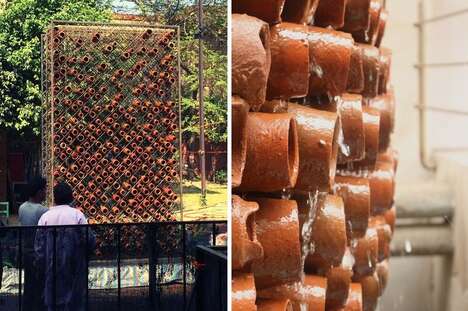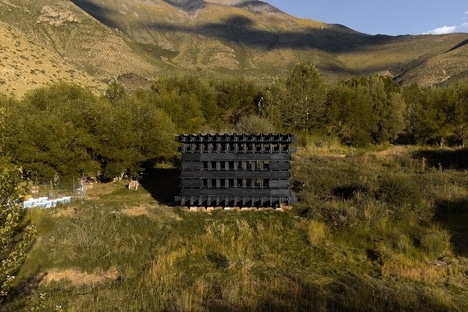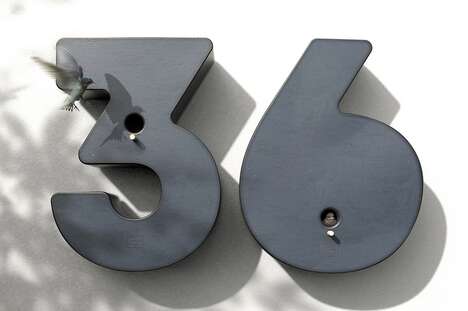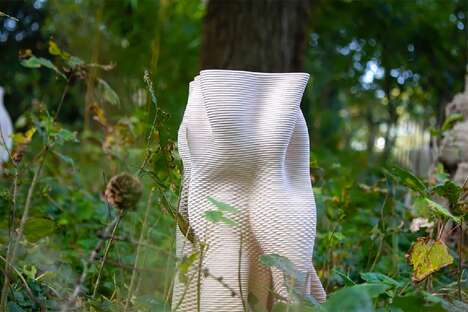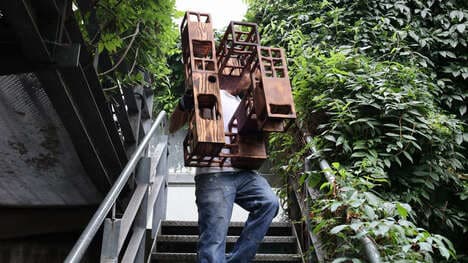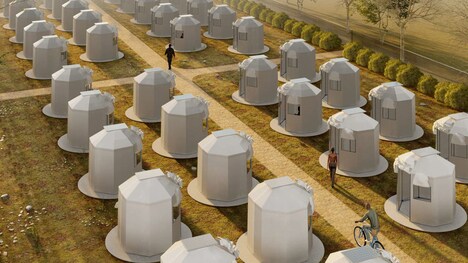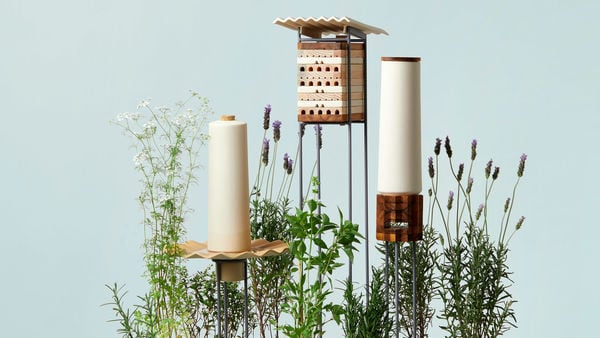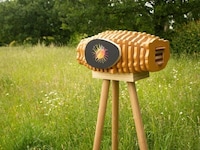


Addressing ecological crises has been a focus of contemporary designers and Mexican-based creative studio MaliArts attempts to aid solitary bees in cities through a series of structures. The project is dubbed 'Refugio' and it boasts three objects that have been conceptualized to help bees that have found themselves in urban environments.
Each of MaliArts' designs has been catered to provide shelter, food, and water to bees in cities. The shelter can satisfy both the function of resting and nesting, while the role of the waterer and the feeder are self-explanatory.
Not only does the ecological initative provide a safe haven for the honey-producing insects, ultimately addressing the alarming decline of the bee population, but it also attempts to provide a balanced relationship between built human infrastructures and nature.
Photo Credits: Sergio López
What Makes This Trend Stand Out
- Ecological Design Solutions
- Designers are developing solutions to address ecological crises, such as MaliArts' project to help solitary bees in cities.
- Urban Bee Conservation
- Efforts are being made to create structures that provide shelter, food, and water to bees in urban environments like MaliArts' 'Refugio' project.
- Balance Between Built Environment and Nature
- Design projects like MaliArts' aim to strike a balanced relationship between human infrastructures and natural ecosystems.
Sectors Adopting This
- Design and Architecture
- The design industry can explore innovative solutions, such as MaliArts' project, to address ecological challenges in urban settings.
- Conservation and Sustainability
- The conservation industry should consider supporting initiatives like MaliArts' to conserve bee populations and promote urban biodiversity.
- Urban Planning and Development
- Urban planners can incorporate bee-friendly structures and elements, inspired by projects like MaliArts', into their designs to foster a harmonious relationship between urban environments and nature.