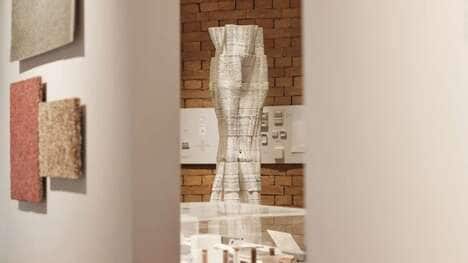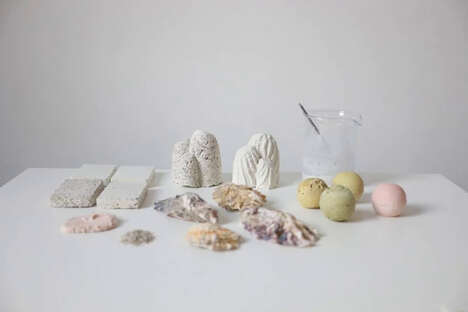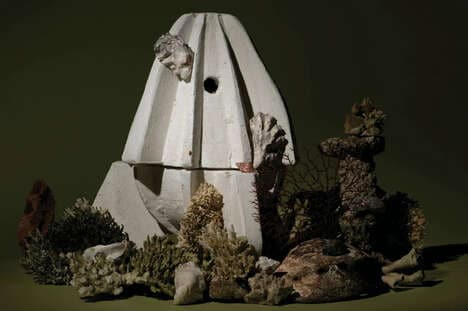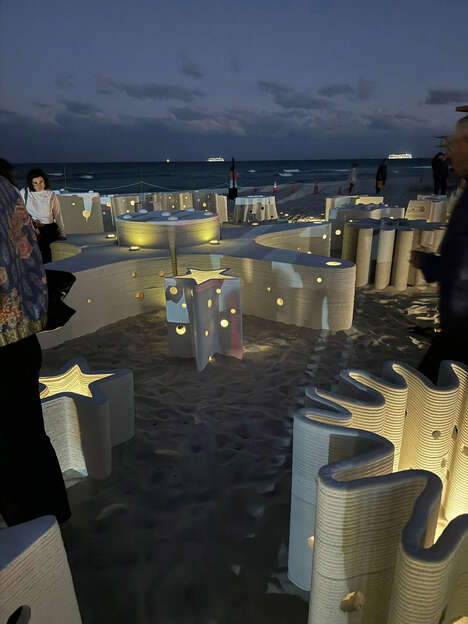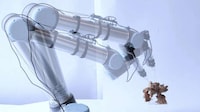
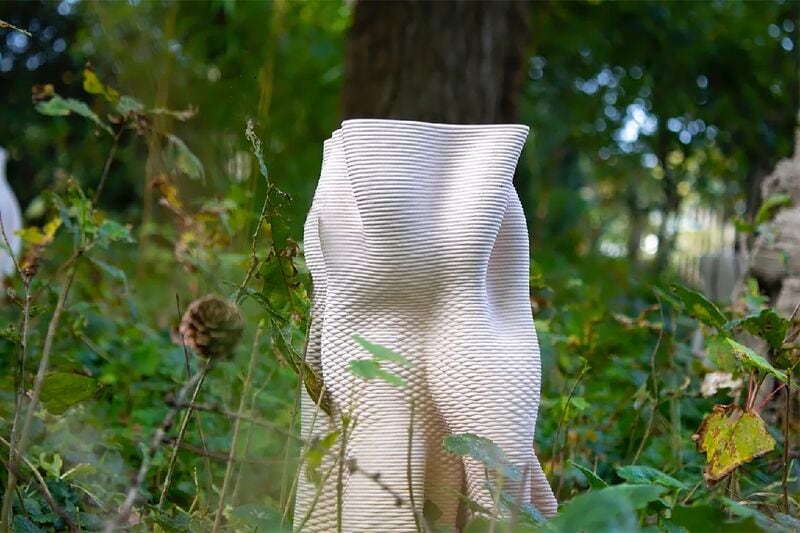
Pierre Oskam and Max Latour, Durch designers, came up with a new solution to increase biodiversity in cities. The project involves natural materials to create structural ecosystems. Using mycelium and coffee grounds, the designers made 3D-printed eco reefs.
The duo devised a natural plan for various fungi to grow. The eco reefs capture moisture in the air to foster the perfect growing environment, thereby bringing the structure to life and increasing nature in cities. Thus far, the team has developed two concept products following their intensive research. Rain Reef is the first structure, which collects rain with an undulating shape to increase the contact area of water and hatching surfaces for vegetation. The second is dubbed Zoo Reef and acts as an alternative to city fountains.
Image Credit: Pierre Oskam and Max Latour
Why This Trend Is Growing
- Natural Ecosystem Architecture
- Growing natural material structures with mycelium and coffee grounds to increase biodiversity in cities.
- 3d-printing with Mycelium
- Using mycelium to 3D-print eco reefs for a sustainable structural ecosystem.
- Moisture-capturing Structures
- Structures that capture moisture in the air to foster a growing environment for vegetation in cities.
Industries Being Reshaped
- Architecture and Urban Planning
- Using natural materials and 3D-printing technology to create sustainable structures that increase biodiversity in cities.
- Environmental Science
- Researching the use of natural materials like mycelium and coffee grounds to create sustainable ecosystems in urban areas.
- Sustainable Agriculture
- Applying the growing techniques of mycelium and moisture capture to the development of sustainable agriculture practices for urban environments.