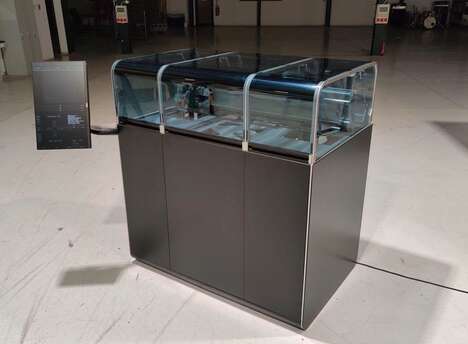
Industrial designer Luis Undritz has unveiled his 3D printer that produces images by projecting light onto algae. The project was erected after the artist began experimenting with how algae reacted to light. Once discovering potential, the designer continued experimenting and, in turn, developed a unique 3D printer.
The printer uses a system called 'phytoprinting,' which essentially projects a negative black and white image onto phytoplankton - a marine alga - to produce an image. The printer is designed in a round shape, differentiating it from the numerous 3D printers currently on the market.
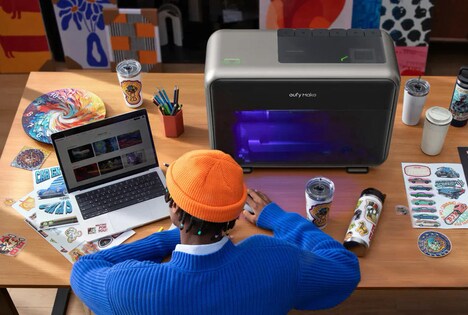
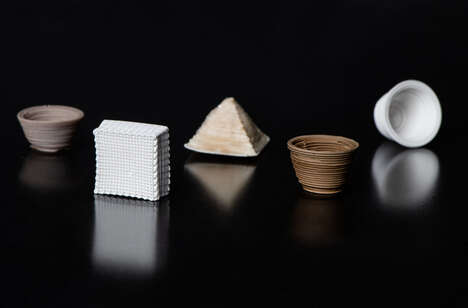
The printer can print with paper, textiles, and ceramics. Phytoprinted images are not entirely durable as they are prone to water damage; therefore, the designer sees this printer as a tool to produce unique aesthetics.
Image Credit: Luis Undritz
Key Themes Behind This Trend
- Phytoprinting
- Phytoprinting technology provides an opportunity to create unique images by projecting negative black and white images onto phytoplankton, providing an entirely new printing method.
- Algae-based 3D Printing
- Algae-based 3D printing is a new and innovative method of printing that produces unique images using algae as a printing medium.
- Circular 3D Printing
- Circular 3D printers have the potential to increase efficiency and promote sustainability, providing a new opportunity for waste reduction and environmental responsibility.
Where This Applies
- Design
- Designers can use phytoprinting technology to create unique products and promote a new way of producing art and imagery.
- Textiles
- The use of phytoplankton in textiles could lead to a new era of sustainable, environmentally-friendly clothing and other textile products.
- Ceramics
- Phytoprinting technology can be applied to the ceramics industry, promoting unique and personalized designs that have never been seen before.