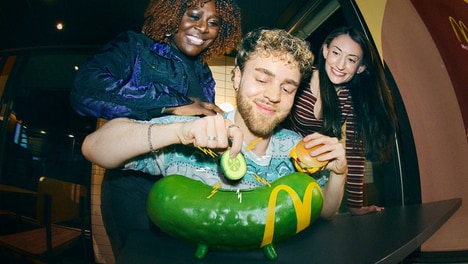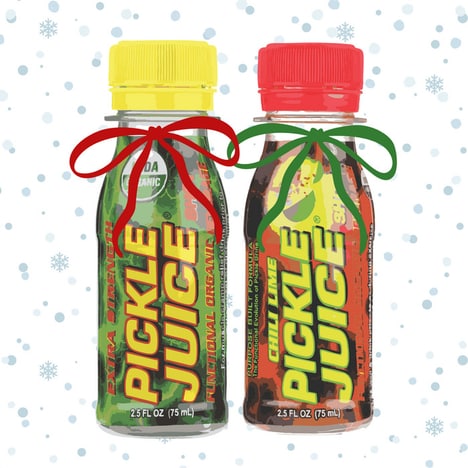
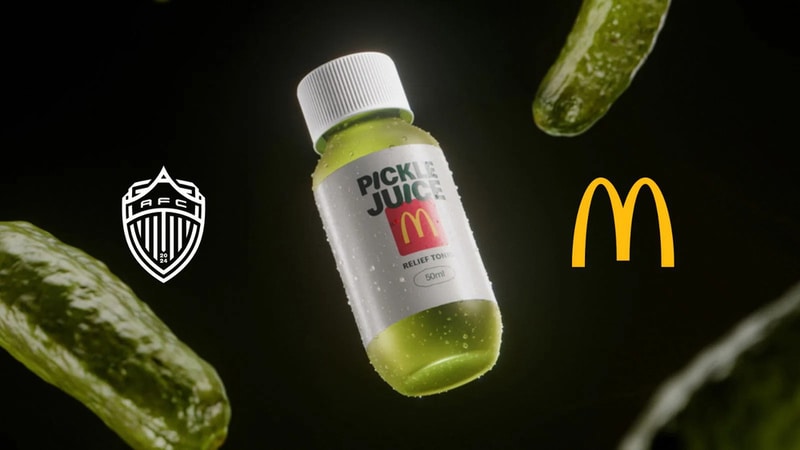
McDonald’s NZ introduced a sports recovery initiative that repurposes excess pickle juice from restaurant operations into bottled sideline hydration products for Auckland FC players.
The program reflects "a growing interest in alternative recovery aids within professional sports, where pickle juice has gained attention for its potential role in helping athletes manage muscle cramps during high-intensity activity." By redirecting leftover brine from food preparation processes, the initiative also highlights opportunities for foodservice brands to explore secondary uses for excess ingredients and reduce operational waste.
The bottled pickle juice products were trialed by Auckland FC players and the club’s sports and nutrition staff during match days, with recovery bottles appearing on sidelines during recent fixtures. In addition to this, the initiative extended into community engagement efforts through promotions targeting recreational football teams across New Zealand. Overall, the campaign reflects the intersection of sports culture, ingredient repurposing, and experiential brand partnerships.
Image Credit: McDonald’s New Zealand
Why This Trend Is Growing
- Ingredient Repurposing in Sports Recovery
- A shift toward using culinary byproducts such as pickle brine for athlete hydration presents novel product categories that blur lines between foodservice waste streams and sports supplementation.
- Foodservice Circularity and Waste Reduction
- Repurposing excess ingredients into packaged offerings highlights systems-level opportunities to convert operational waste into branded revenue-generating items within hospitality ecosystems.
- Experiential Brand Partnerships in Athletics
- Growing collaborations between consumer-facing food brands and sports teams create experiential touchpoints that can transform promotional giveaways into functional recovery products with measurable performance narratives.
Industries Being Reshaped
- Quick-service Restaurants
- QSR operations demonstrate potential to monetize surplus commodity streams by developing small-batch, co-branded functional beverages that extend the restaurant value chain.
- Sports Performance Nutrition
- The sports nutrition sector is positioned to integrate unconventional, food-derived recovery aids into product portfolios that emphasize real-world trial data from professional teams.
- Supply Chain Waste Management
- Food-supply logistics and waste management providers could reconfigure collection and bottling workflows to support localized circular-product manufacturing and distribution models.