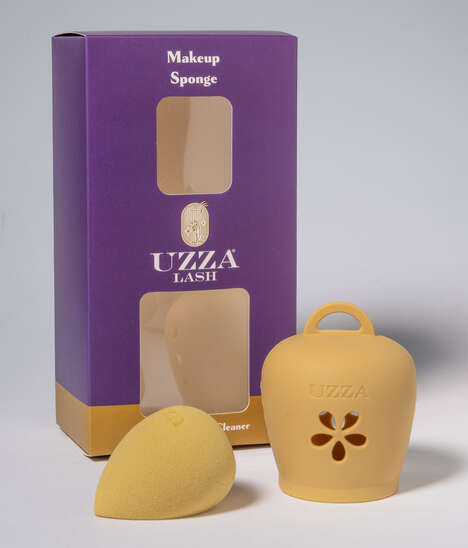

When Beautyblender launched in 2003, it changed the way people apply makeup and it is continuing to do so with a remixed version of its classic makeup applicator sponge called Bio Pure. The all-new Bio Pure applicator sponge has a
60% plant-based composition that's made with renewable sugarcane instead of a non-renewable resource. As Beautyblender founder Rea Ann Silva says, "This allows us to lessen our CO2 emission and put less strain on the limited supply of fossil fuels. I worked really hard to make sure it is the exact same texture, payoff and density."
The packaging for the product is made of post-consumer resin, which introduces a more environmentally conscious choice that will be applied to the packaging for The Original Beautyblender.
Image Credit: Beautyblender
What Makes This Trend Stand Out
- Plant-based Makeup Applicators
- There is a disruptive innovation opportunity for companies to develop and market plant-based makeup applicators like Beautyblender's Bio Pure sponge.
- Eco-friendly Packaging
- There is a disruptive innovation opportunity for companies to offer eco-friendly packaging and post-consumer resin like Beautyblender.
- Renewable Sugarcane Products
- There is a disruptive innovation opportunity for companies to use renewable sugarcane as a substitute for non-renewable resources in product manufacturing.
Sectors Adopting This
- Beauty Industry
- The beauty industry can benefit from incorporating eco-friendly makeup sponges and packaging into their product lines, like Beautyblender.
- Sustainable Material Industry
- The sustainable material industry can develop and market plant-based and renewable sugarcane products for use in various industries, including beauty products.
- Packaging Industry
- The packaging industry can focus on creating and promoting eco-friendly packaging, like post-consumer resin, for their clients in various industries.