
Despite the known dangers of driving under the influence of alcohol, the number of accidents and deaths each year associated with impaired driving remain high, which is something 'Sober Steering' is looking to deter with a new biometric steering wheel BAC calculator.
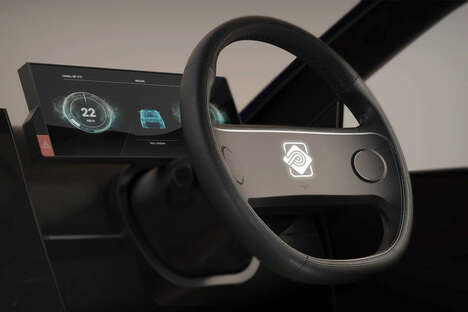
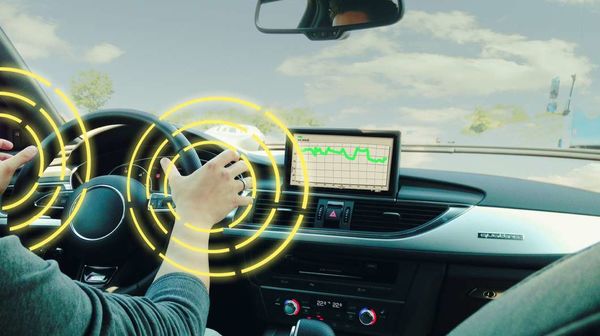
A Canadian startup, 'Sober Steering' is currently running a pilot project with bus companies that are involved with transporting children to and from school as well as shipping goods around the country. The biometric BAC calculator sensor works by being implemented right into the steering wheel; if it detects any alcohol vapors from the drivers palm, it will disable starting.
If the BAC calculator sensor detects alcohol while the vehicle is in motion, it will alert authorities who can then be sent an exact location of the impaired driver's whereabouts.
What Makes This Trend Stand Out
- Biometric BAC Sensors
- Opportunity for companies to integrate biometric BAC sensors into various products and services, such as steering wheels and ignition systems.
- Impaired Driving Prevention
- Growing demand for innovative solutions to prevent impaired driving and reduce accidents and deaths associated with alcohol intoxication.
- Real-time Location Tracking
- Increasing need for technologies that enable real-time location tracking of impaired drivers to improve response time and intervention.
Sectors Adopting This
- Automotive
- Automobile manufacturers can incorporate biometric BAC sensors in vehicles to prevent drunk driving and enhance road safety.
- Transportation
- Companies involved in public transportation, logistics, and delivery services can adopt biometric BAC sensors to ensure drivers are sober while operating vehicles.
- Law Enforcement
- Law enforcement agencies can leverage real-time location tracking technologies to quickly locate and apprehend impaired drivers, improving enforcement efforts.