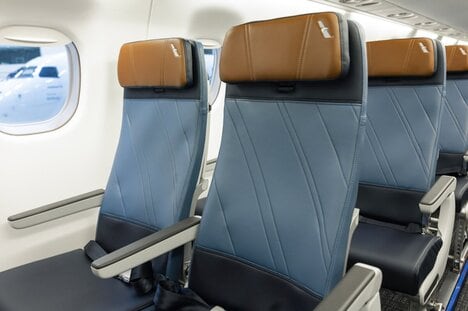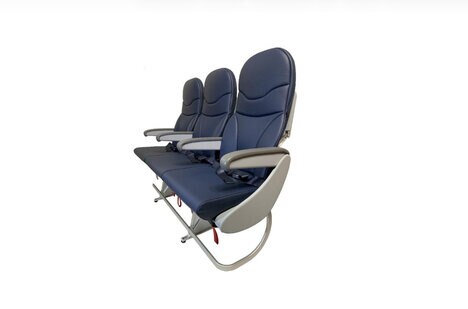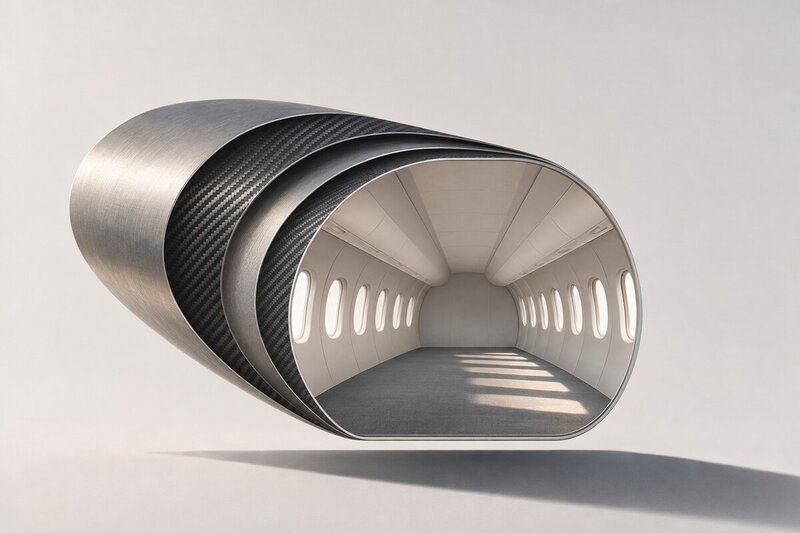
Expliseat is bringing lighter business-class seating to Asia-Pacific airlines with ‘TiSeat S’, a cabin seat built with titanium and carbon fiber for regional aircraft. The company says it trims seat weight by as much as 40%, giving carriers a way to refresh premium cabins while easing aircraft weight and operating-cost pressures.
Singapore marks the seat’s first Asia-Pacific showing and only its second public display after Hamburg in April 2026. Airlines can add in-flight entertainment and other amenities, and the design is slated to move from regional jets to larger single-aisle cabins, such as the Airbus A320 and Boeing 737 families.
Expliseat shows how a business-class seat that starts on regional aircraft and extends to A320 and 737 cabins can give Asia-Pacific carriers a lighter option for premium cabin refreshes.
Image Credit: AI-generated
What's Driving This Trend
- Lightweight Premium Seating
- Advanced materials such as titanium and carbon fiber are reshaping cabin design by reducing aircraft weight while preserving comfort and premium service differentiation.
- Modular Cabin Refreshes
- Configurable seating platforms with optional entertainment and amenities create new flexibility for airlines seeking faster upgrades without full fleet redesigns.
- Regional-to-narrowbody Scaling
- Seat designs that transition from regional jets to A320 and 737 aircraft reveal opportunities for standardized premium experiences across mixed fleet networks.
Who This Affects Most
- Commercial Aviation
- Airlines facing fuel, emissions, and operating-cost pressures are finding value in lighter cabin components that support both efficiency and passenger experience goals.
- Aircraft Interiors
- Cabin suppliers are being pushed toward material innovation and adaptable product architectures as carriers seek differentiated interiors with lower lifecycle costs.
- Advanced Materials
- Titanium and carbon fiber applications in seating highlight expanding demand for high-strength, low-weight materials across transportation manufacturing.