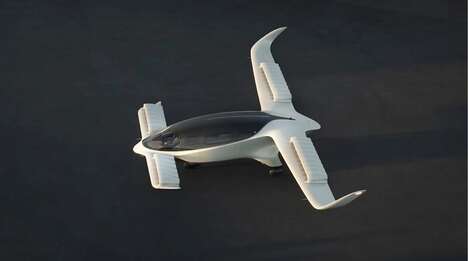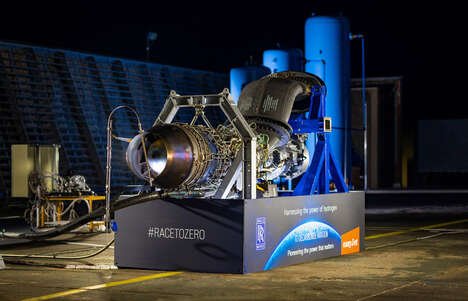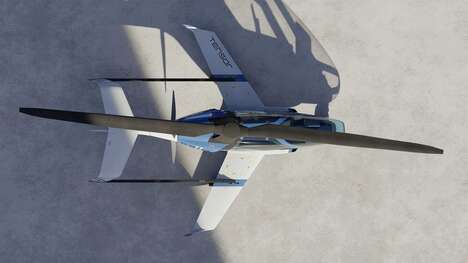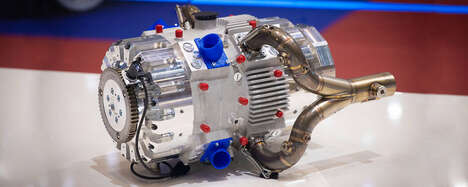
Researchers at Universidad Carlos III de Madrid and AXTER Aerospace have created an electric aircraft engine that can be installed in conventionally powered light aircraft. This engine is designed to both increase power and also expand range, crucial in the event of an engine failure.
The electric engine can be coupled to the conventional engine via a conventional drive system. An automatic electronic control system allows for the electric drive motor to be automatically adjusted depending on the plane's needs. So if there's an issue with the primary engine, the electric engine kicks into gear.
While compact, single-engine aircraft are the mainstay of recreational flying, the fact of the matter is that a single malfunction can lead to dire consequences. This auxiliary electric propulsion aircraft engine makes them both safer and more enjoyable.
Key Themes Behind This Trend
- Auxiliary Electric Propulsion
- Opportunity for developing auxiliary electric propulsion systems to enhance the safety of conventionally powered light aircraft.
- Automatic Electronic Control
- Potential for creating automatic electronic control systems that seamlessly switch to electric engine power in case of engine failure.
- Enhanced Range and Power
- Disruptive innovation opportunity lies in designing electric aircraft engines that can increase power and extend range for light aircraft.
Where This Applies
- Aerospace Manufacturing
- Aerospace manufacturers can explore the production of retrofitted electric aircraft engines and associated control systems.
- Aviation Services
- Opportunity for aviation service providers to offer retrofitting services for conventional light aircraft with auxiliary electric propulsion systems.
- Electric Propulsion Technology
- Electric propulsion technology companies can focus on developing advanced systems specifically designed for light aircraft retrofitting applications.