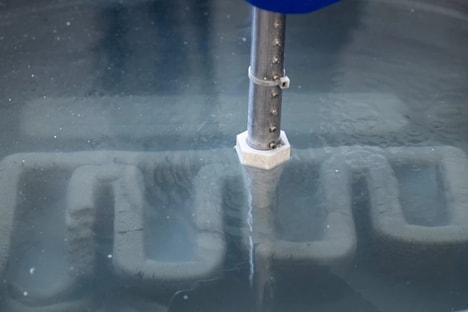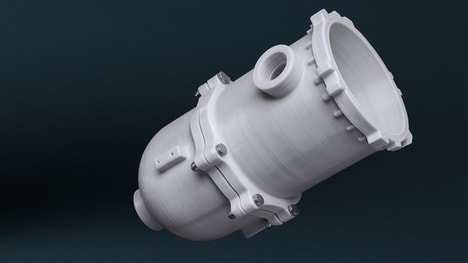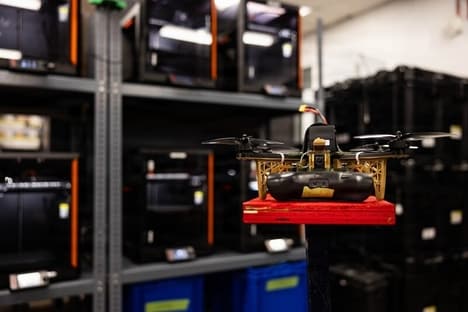
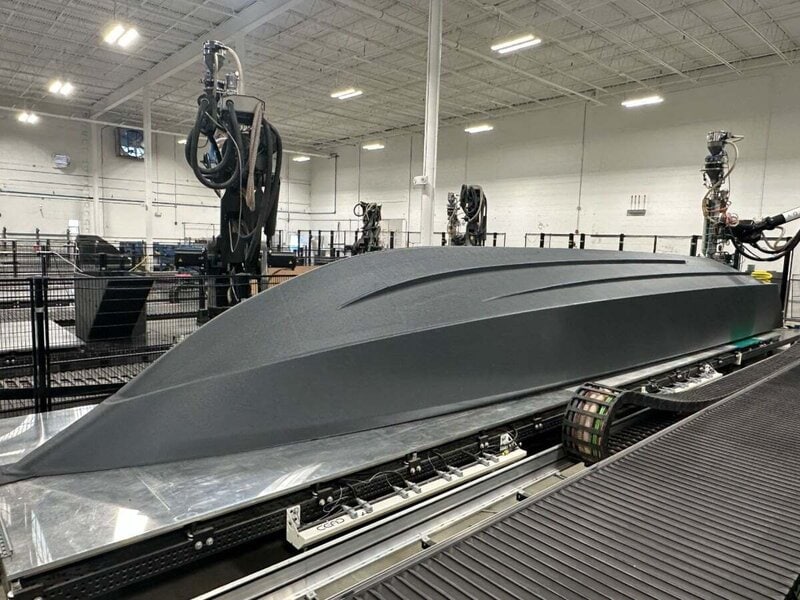
Haddy used large-format robotic additive manufacturing to produce the TF-179 Drone Boat, an unmanned surface vessel built at the company’s St. Petersburg, Florida facility. The project uses industrial-scale robotic 3D-printing systems to build large structural components layer by layer from composite materials.
Haddy’s facility operates eight large-format additive manufacturing systems from CEAD, including seven mounted on rails to extend their working range. The company has previously used similar methods to produce carbon-fiber-reinforced unmanned vessel hulls and has demonstrated design-to-sea-trial timelines as short as nine days. The manufacturing process allows digital design changes to be implemented without retooling conventional production lines.
For defense and maritime operators, the approach can support faster prototyping, reduced tooling requirements and more flexible low-volume production. The project reflects growing interest in additive manufacturing for rapidly produced unmanned military platforms.
Image Credit: Haddy
What's Driving This Trend
- Robotic Additive Shipbuilding
- Large-format robotic 3D printing enables faster production of complex marine structures while reducing dependence on molds, tooling, and fixed assembly lines.
- Rapid Drone Vessel Prototyping
- Short design-to-sea-trial cycles create room for defense teams to iterate unmanned surface vessels around mission-specific requirements and emerging threats.
- Composite Hull Manufacturing
- Carbon-fiber-reinforced printed components offer lightweight strength advantages that could reshape how small military and commercial vessels are engineered.
Who This Affects Most
- Defense Technology
- Additively manufactured unmanned platforms introduce new flexibility for producing specialized assets in lower volumes and compressed timeframes.
- Maritime Manufacturing
- Digital fabrication methods are expanding boatbuilding beyond conventional tooling-heavy processes toward more adaptable, software-driven production.
- Industrial 3D Printing
- Rail-mounted robotic systems demonstrate how additive manufacturing can scale from prototyping into large structural applications for demanding environments.