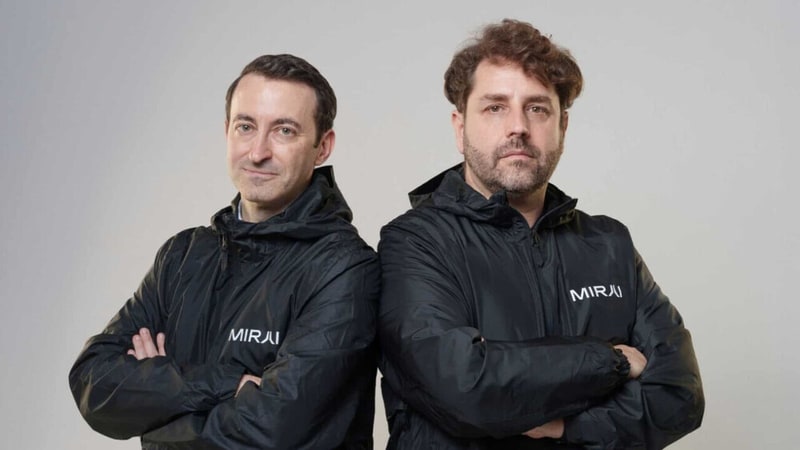
Mirai Robotics, a Puglia-based startup, launched software-defined autonomous surface vessels and a maritime intelligence platform, featuring dock-to-dock autonomy designed to run missions without onboard crews. The pre-seed-backed effort combines vessel hardware with an AI surveillance and mission-management system to operate across inshore and offshore environments.
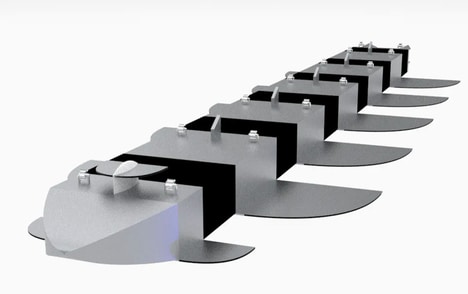
The company revealed two autonomous vehicle models for intelligence, surveillance and reconnaissance and maritime patrol, plus modular autonomy kits that can be integrated into third-party ships. Its stack pairs advanced sensors, autonomous navigation, remote supervision tools and layered safety controls to support coordinated fleets and persistent domain awareness.
For operators, Mirai’s tech aims to lower labor and operational strain while enabling continuous monitoring of critical maritime infrastructure like ports, wind farms and cables. Its approach signals growing investment in robotic systems as a foundational software layer for Europe’s blue economy and coastal security.
Image Credit: Mirai Robotics
What's Driving This Trend
- Software-defined Vessels
- A software layer that decouples navigation, sensor fusion and mission management from physical hulls enables rapid reconfiguration of maritime capabilities and commoditization of vessel functions.
- Dock-to-dock Autonomy
- Full-route autonomy across harbor and open-sea environments enables persistent, crewless operations that shift value from crewing logistics to remote mission orchestration and resilience.
- Modular Autonomy Kits
- Plug-and-play autonomy packages that retrofit existing ships create a marketplace for third-party upgrades and standardized autonomy stacks across legacy fleets.
Who This Affects Most
- Maritime Security
- Persistent unmanned surveillance and coordinated fleets can broaden threat detection coverage and reduce reliance on manned patrols for coastal and port defense.
- Offshore Energy
- Continuous monitoring and autonomous inspection routines offer new approaches to maintaining wind farms, sub-sea cables and platforms with lower operational risk.
- Port Operations and Logistics
- Autonomous dock-to-dock capabilities have the potential to streamline vessel movements, berth monitoring and asset tracking while shifting operational control to shore-based systems.