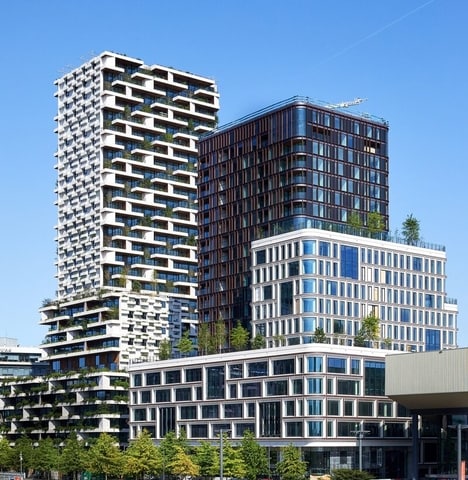
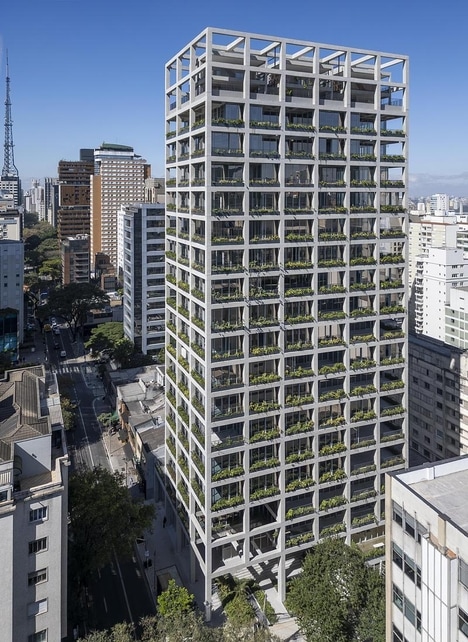
Circular high-rise architecture is demonstrating how large-scale urban developments can incorporate material reuse and lower-carbon construction methods without compromising design or functionality. Designed by Lendager, TRÆ is Denmark's tallest timber building and combines mass timber construction with reclaimed aluminum facade materials, showcasing how salvaged resources can be integrated into modern commercial projects. The development highlights a growing focus on reducing embodied carbon while extending the lifecycle of materials that might otherwise become waste.
The increasing adoption of circular construction principles reflects rising demand for more sustainable building practices across the real estate sector. Reclaimed materials and timber-based structures can help developers reduce environmental impacts, meet evolving regulatory requirements, and appeal to sustainability-conscious tenants and investors. For construction firms and material suppliers, circular building projects create opportunities to develop new sourcing, reuse, and manufacturing models. As cities pursue ambitious climate goals and developers seek lower-carbon alternatives to traditional construction methods, circular high-rise projects may influence the future direction of urban development and commercial real estate.
Image Credit: Lendager
Why This Trend Is Growing
- Circular Material Reuse
- Emerging projects that integrate reclaimed façade panels and salvaged components present pathways for reducing waste streams and creating secondary-material marketplaces.
- Mass Timber High-rises
- A resurgence of engineered timber in tall buildings signals potential for lower-carbon structural systems and new prefabrication value chains for large-scale projects.
- Embodied Carbon Transparency
- Regulatory and investor emphasis on lifecycle emissions is driving demand for verifiable embodied-carbon data and tools that benchmark material choices across portfolios.
Industries Being Reshaped
- Commercial Real Estate
- Developers and asset managers can capture tenant and investor interest by positioning low-embodied-carbon buildings as premium, differentiating assets in urban markets.
- Construction Materials Supply
- Suppliers of reclaimed aluminum, engineered timber, and modular systems may benefit from vertically integrated sorting, certification, and resale offerings that alter traditional supply chains.
- Urban Infrastructure Planning
- City planners and municipal agencies are seeing opportunities to align zoning and procurement policies with circular construction to shape lower-carbon redevelopment corridors.