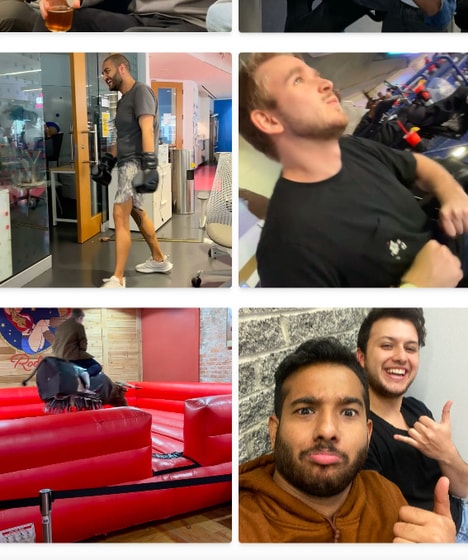


Michelle Poller recently embarked on a project called '100 Days Without Fear.' As most people known, fear can prevent us from embarking on new experiences and taking on new challenges. Poller's inspiring project encourages people around the world to stop letting fear dictate their choices.
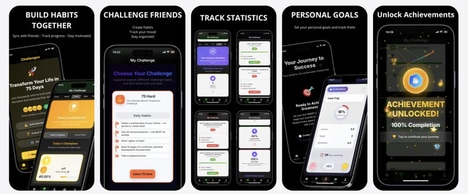
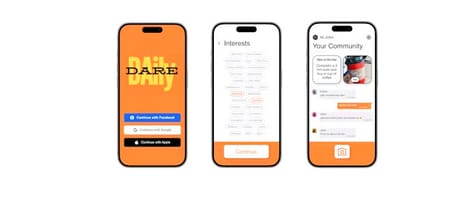
100 Days Without Fear initially started out as an assignment for one of Poller's grad school classes. Poller decided to use the assignment as an opportunity to overcome a different fear each day. While some of these fears were small, others were deep fears that were limiting her life in one way or another. After completing her own challenge, Poller wanted to create a platform for others to adopt the same fearless mentality. As a result, she is currently designing '100 Days Without Fear 2.0,' which is a digital platform that individuals can use to challenge one another to face their fears. For each fear that an individual conquers, they will earn points that can be redeemed for different rewards.
While Poller's social platform is still in the design phase, she hopes that her own experience will continue to inspire others to overcome their biggest fears.
Key Themes Behind This Trend
- Fear-facing Challenges
- Developing platforms and challenges that encourage people to face their fears can help individuals overcome limitations and improve mental well-being.
- Digital Fear-conquering Apps
- Designing digital apps that offer incentives to individuals who complete challenges and conquer their fears could create new opportunities for engagement and inspire personal growth.
- Social Media Fear Challenges
- Creating social media challenges that push individuals to confront their anxieties and fears can facilitate community building, promote self-improvement and create positive behavior change.
Where This Applies
- Health and Wellness
- Developing fear-facing initiatives can be beneficial for health and wellness industries, promoting emotional well-being and personal growth.
- Education
- Creating fear-facing initiatives as part of school curricula can instill valuable life skills in students, promote creativity and intellectual curiosity, and build mental strength.
- Social Media
- Incorporating fear-facing challenges as part of social media campaigns can foster community building, boost engagement, and promote self-improvement.