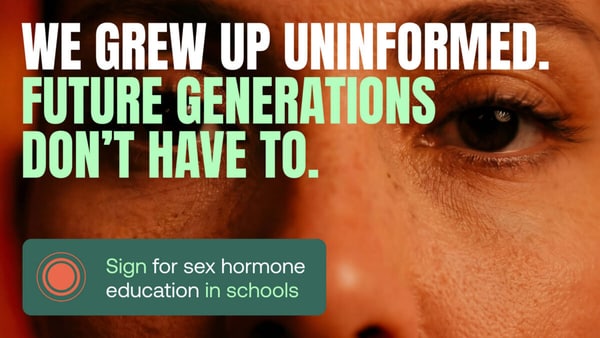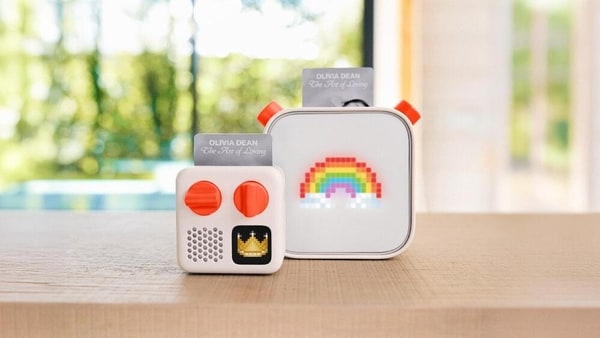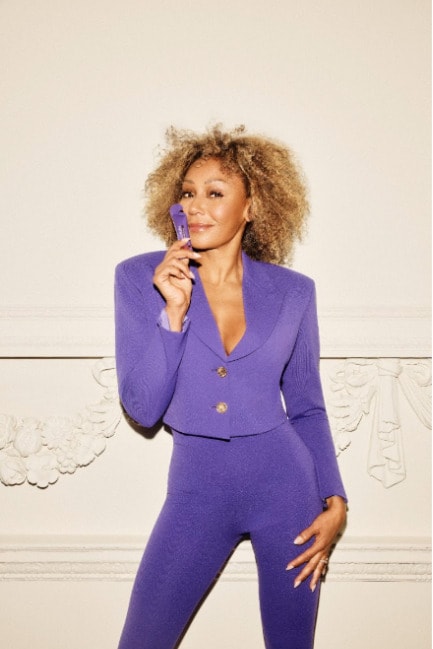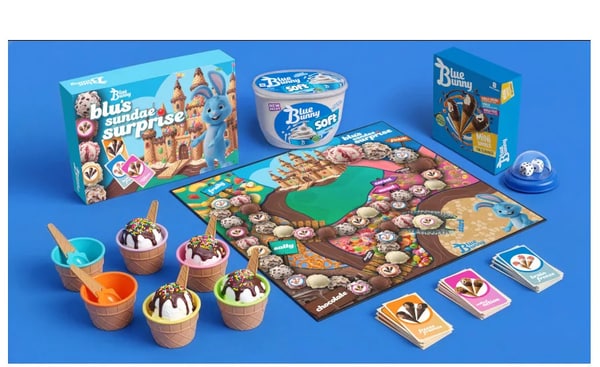
May 2026 life stages trends highlight how brands are increasingly tailoring products and experiences to highly specific age groups, milestones, and evolving lifestyle needs. From child-friendly screen-free audio players and festival-inspired school dining programs to menopause-focused brand ambassadors and senior-friendly minimalist computers, this month emphasizes personalization across every stage of life.
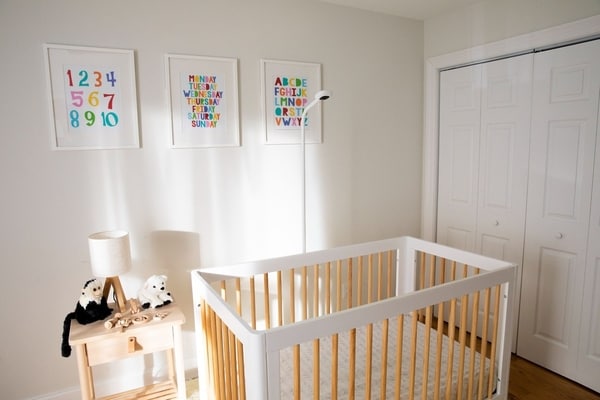
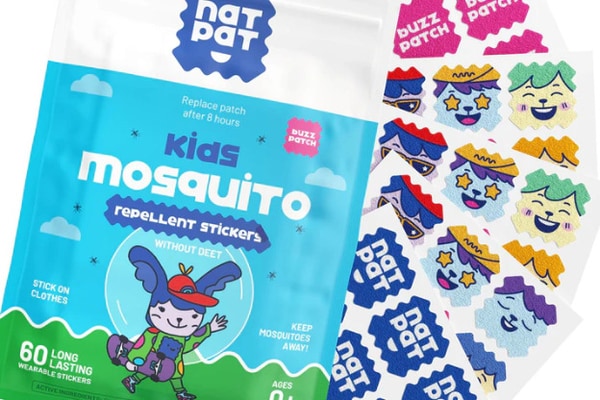
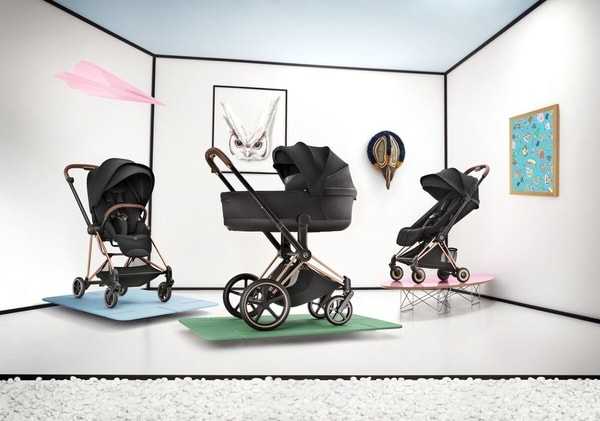
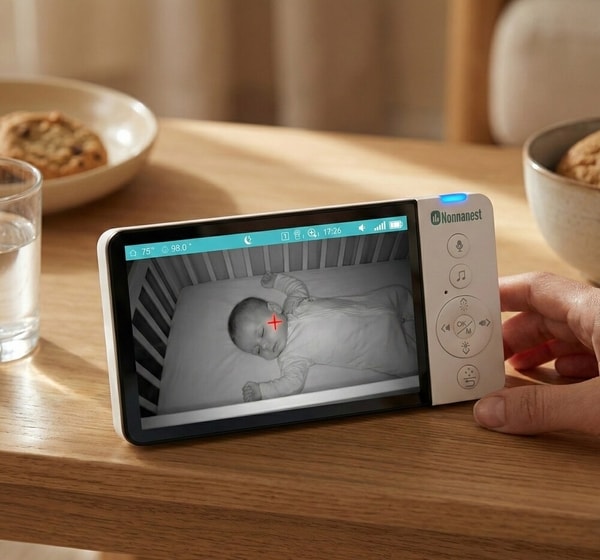
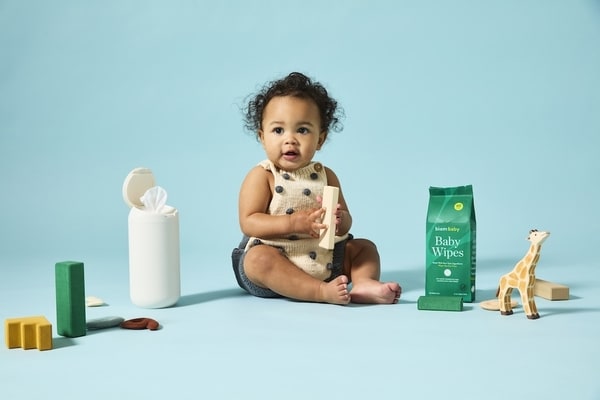
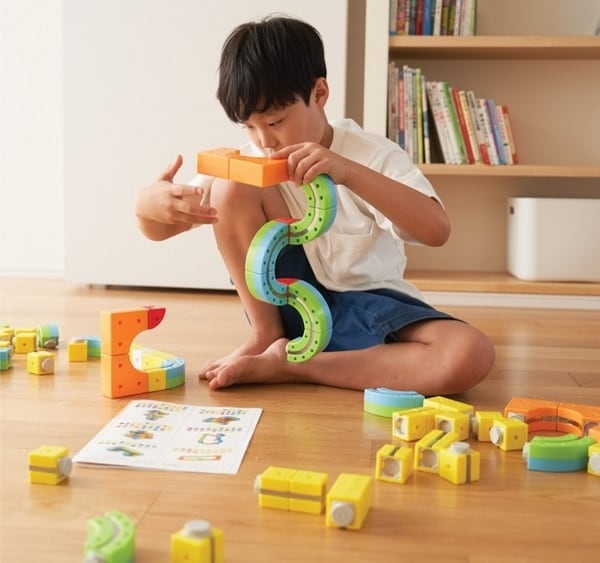
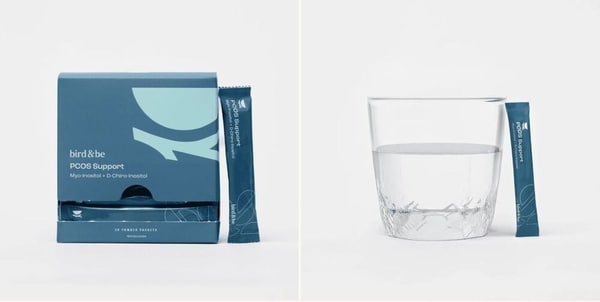
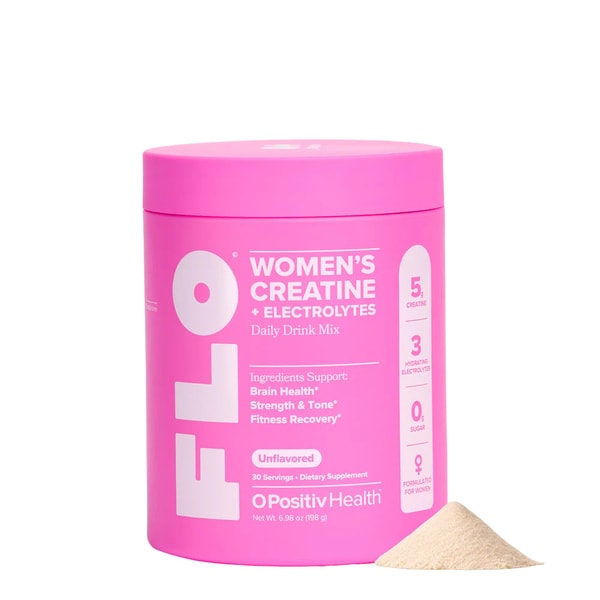
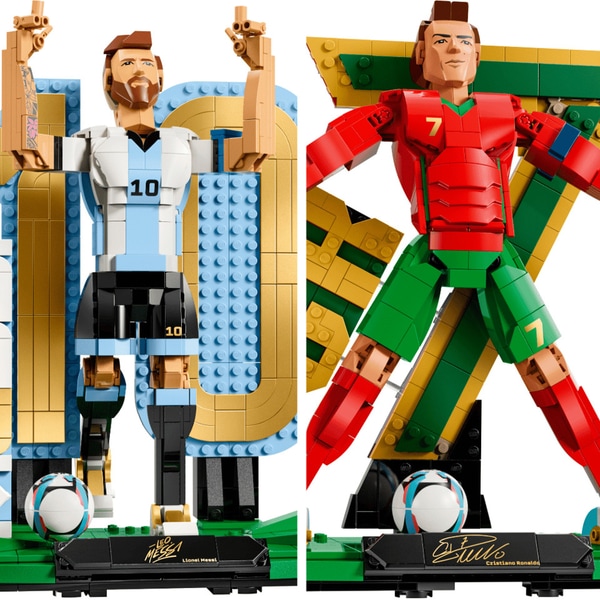
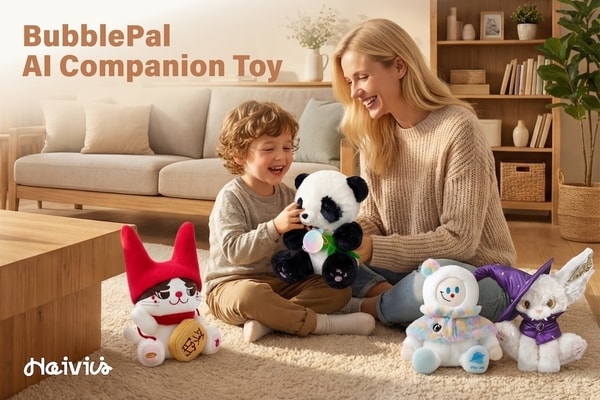
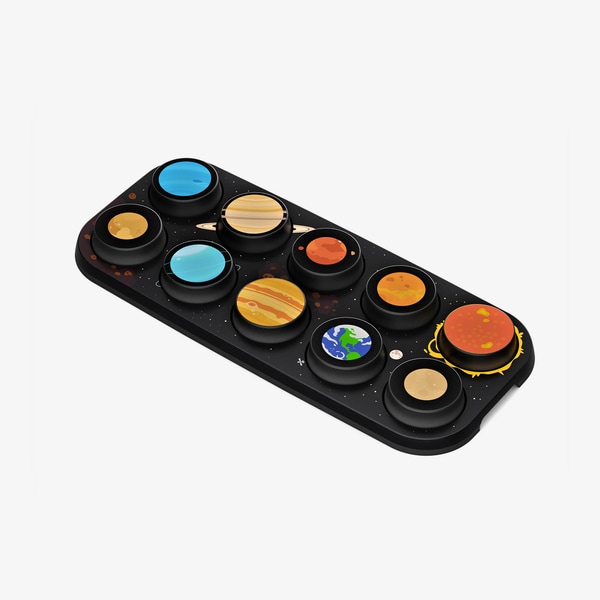
Notably, parenting and early development trends are expanding through innovations like AI-powered baby monitors, one-handed baby wipe dispensers, and baby-focused nutrition supplements, reflecting a demand for convenience and reassurance among modern caregivers. At the same time, youth-oriented trends such as space-themed screen-free learning platforms and STEM-inspired construction toys show how education is becoming more immersive and play-driven.
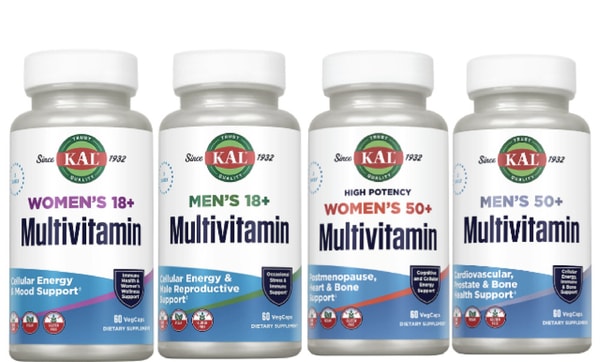
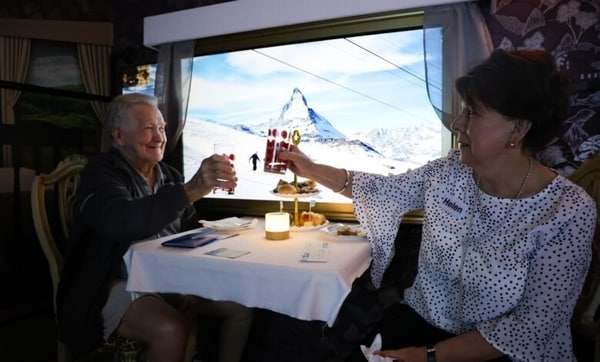
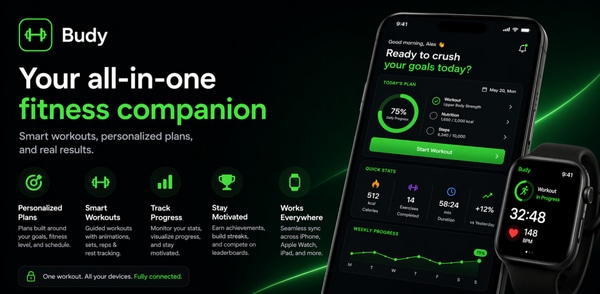
For older demographics, trends like full-suite pilates equipment, adaptive AI fitness platforms, and menopause-focused branding signal a growing emphasis on longevity, wellness, and inclusivity. Collectively, these shifts point to significant business implications: companies that invest in hyper-targeted solutions, age-inclusive design, and lifecycle-based marketing strategies will be better positioned to capture long-term customer loyalty. Brands that recognize life stages not just as demographics but as evolving identities can unlock deeper engagement and sustained growth.
- Gen Alpha
- Gen Z (primary audience)
- Millennial (primary audience)
- Gen X (primary audience)