
Category
Lifestyle
Baseline Support
Fashion that bolsters self-esteem and conversation through intentional flaw.

What's Happening
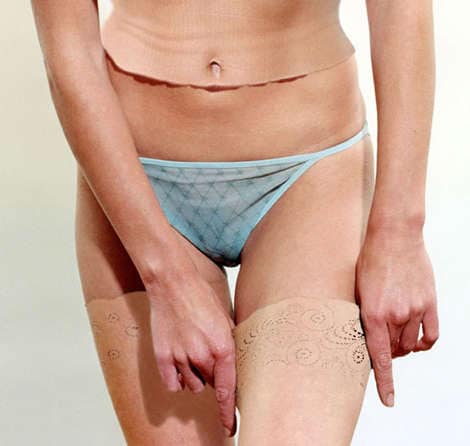
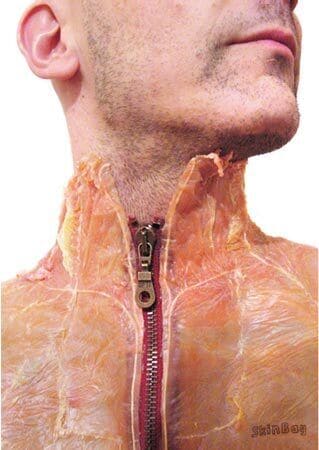
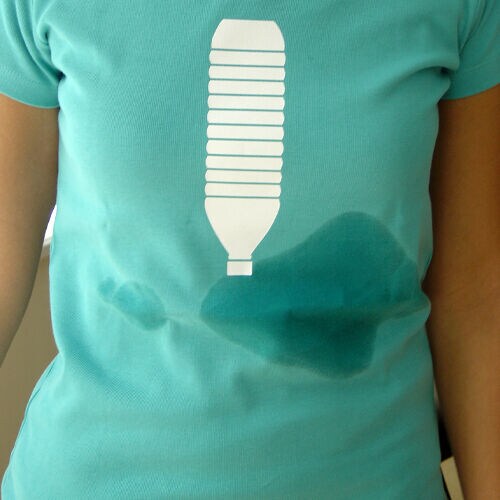
Faux Flawed: In a material society, self esteem is often derived from appearance. Flashing in the face of that would be faux flawed fashion. From fake human skin and faux flesh body suits to shirts that camouflage food and water spills, this apparel strikes an emotional chord.
Evidence
Nicole Tran Ba Vang
The fashion industry can capitalize on the demand for provocative and expressive fashion statements by creating clothing items that cater to this niche market.
The SkinBag Collection by Olivier Goulet
Fashion designers can incorporate synthetic skin into their collections, creating unique and boundary-pushing designs.
Agua vaª T-Shirt
Fashion industry can incorporate camouflage designs and interactive clothing to create unique and sustainable designs
Puke Pet
Opportunities for disruptive innovation in the fashion industry by incorporating unique designs and materials that embrace imperfections.
Trend signals
Trend score 5.7 out of 10, from popularity 76%, activity 88%, freshness 8%.
Trend themes
Using intentional flaws in fashion to bolster self-esteem and create conversation is becoming more popular.
Consumers are drawn to unique and playful fashion items that make a statement.
Fashion that creates a shock to the system and elicits an emotional response is gaining traction.
Industry implications
The fashion industry can take notes from the trend of utilizing flaws and creating unique and shocking items to appeal to consumers.
Artists can look to the trend of using synthetic materials to create realistic-looking yet fake human skin and other unusual materials to create thought-provoking and engaging pieces.
Marketers can use the idea of intentional flaws or quirks to promote products and engage consumers in a playful and unique way.