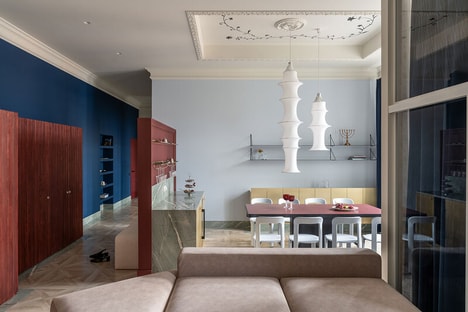
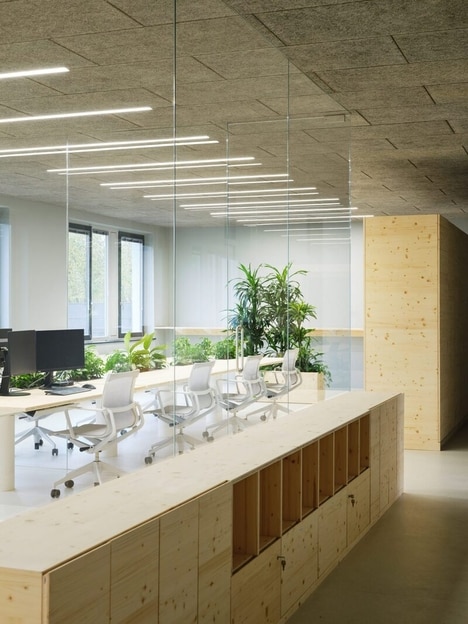
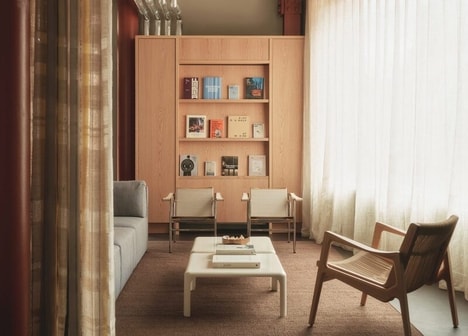
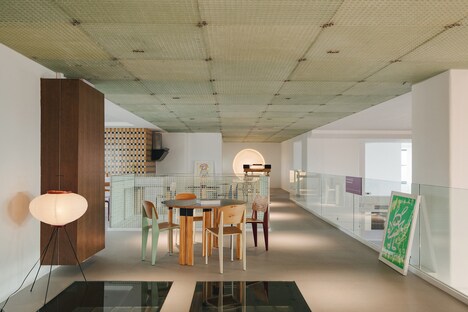
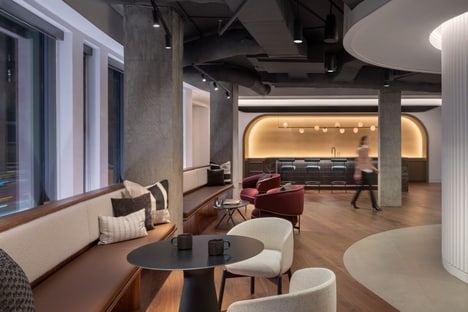
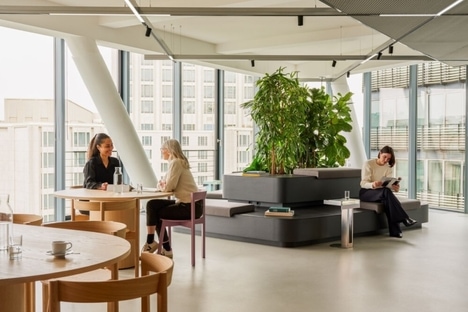
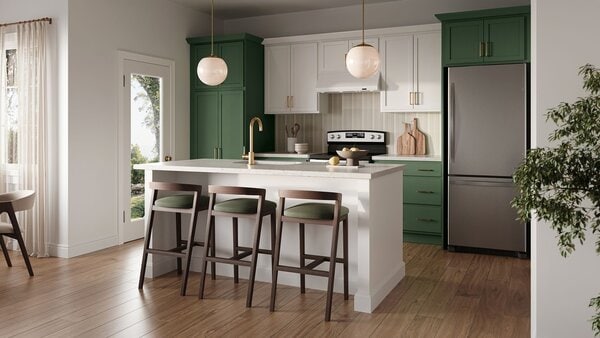
M Moser’s ‘storytelling workspaces’ concept reflects how offices are evolving into immersive environments that support collaboration, employee wellbeing and brand identity. Designed as a living laboratory, the company’s London office combines behavioral planning, hospitality-inspired interiors and flexible work zones to create a space that adapts to different working styles throughout the day.
The workplace features quiet focus areas, open collaboration lounges, rotating art installations and digital displays that communicate the company’s culture and design philosophy. Sustainable elements, including reused furniture and modular layouts, also reduce material waste while extending the life cycle of the office environment. This approach highlights how businesses are increasingly redesigning workplaces to encourage in-person engagement and strengthen employee experience in hybrid work settings. As companies compete for talent and client attention, branded office environments may become valuable tools for improving productivity, reinforcing company culture and creating memorable workplace experiences.
Image Credit: M Moser Associates
Key Themes Behind This Trend
- Immersive Brand Environments
- Branded office spaces integrate storytelling and sensory design to transform workplaces into marketing and recruitment platforms.
- Behavioral-design Workplaces
- Spaces organized around behavioral insights enable dynamic zoning that adapts to employee rhythms and boosts informal collaboration.
- Sustainable Modular Offices
- Modular, reused components create adaptable layouts that reduce waste while allowing rapid reconfiguration for changing team sizes.
Where This Applies
- Corporate Real Estate
- Office portfolios shifting toward experiential leases that prioritize flexible, brand-forward spaces over traditional square-foot metrics.
- HR and Talent Acquisition
- Employer branding increasingly relies on physical workplace narratives to influence candidate perception and employee retention.
- Workplace Technology
- Integrated digital displays and smart sensors provide contextual content and analytics that shape occupant experience and operational efficiency.