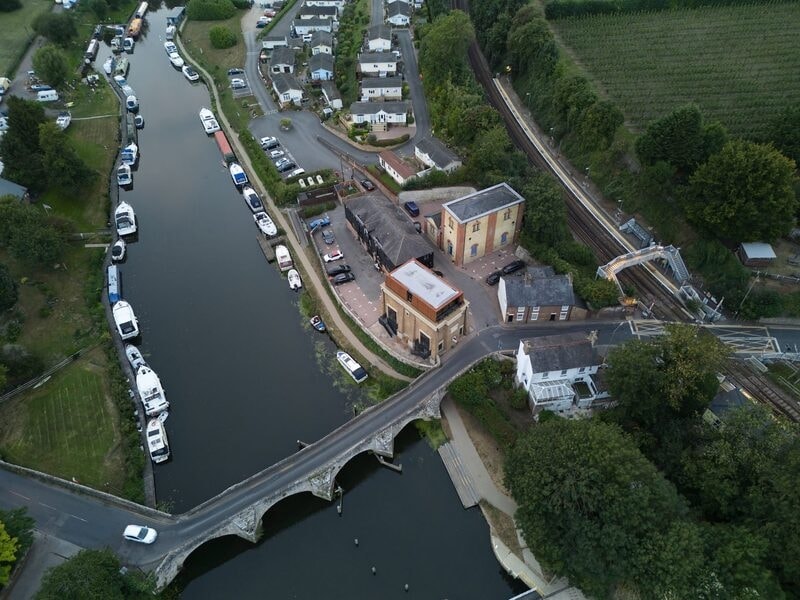
The Felix Lewis Architects The Works project converts a former industrial facility in East Farleigh, Kent into a private office for Chord Electronics. The design preserves existing structural elements and integrates new volumes that accommodate workshops, studios, and gathering areas. The architectural approach maintains the character of the original industrial buildings while introducing interventions that support workplace collaboration and professional programming.
New insertions include expanded circulation routes, glazed partitions, and elevated platforms that define programmatic zones without erasing historic fabric. Material choices emphasize concrete, steel, and timber to align with both the site’s heritage and contemporary use requirements. Natural light is introduced through enlarged openings and strategically placed skylights to activate interior spaces formerly devoid of daylight.
Image Credit: Chris Snook
What's Driving This Trend
- Industrial-to-cultural Conversions
- Repurposing heavy industrial shells creates opportunities for hybrid programs that blend exhibitions, maker spaces, and revenue-generating events within preserved historic fabric.
- Light-activated Adaptive Interiors
- Enlarged openings and targeted skylighting transform previously dark industrial volumes into flexible galleries and co-working zones that shift function with daylight patterns.
- Materially Honest Interventions
- Exposed concrete, steel, and timber interventions establish a design language that supports low-cost modular insertions and long-life systems compatible with evolving cultural uses.
Who This Affects Most
- Architecture and Urban Design
- Adaptive reuse strategies are redefining practice models toward multidisciplinary teams that integrate conservation, public programming, and incremental construction economics.
- Cultural Programming and Nonprofits
- Community-focused venues in former industrial sites present alternative patron engagement models combining local workshops, residencies, and revenue partnerships with creative enterprises.
- Heritage Real Estate Development
- Developers are increasingly valuing preserved industrial character as a market differentiator that enables mixed-use portfolios anchored by cultural tenancy and experiential retail.