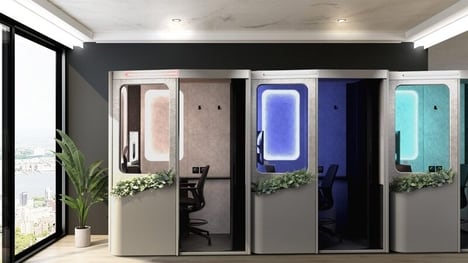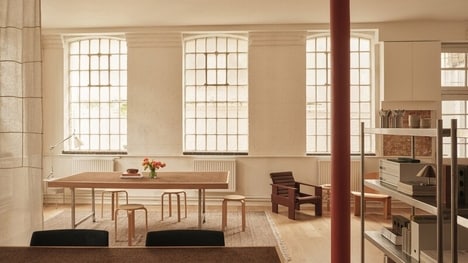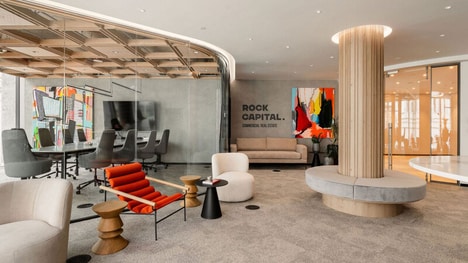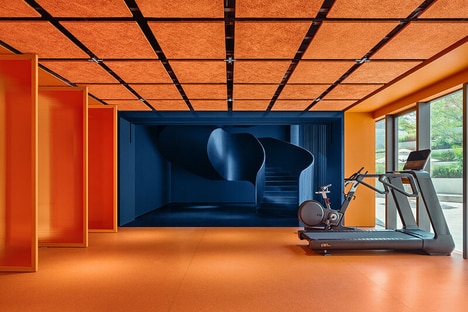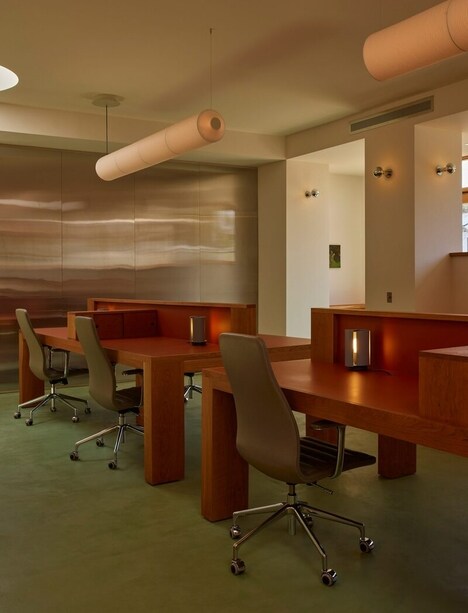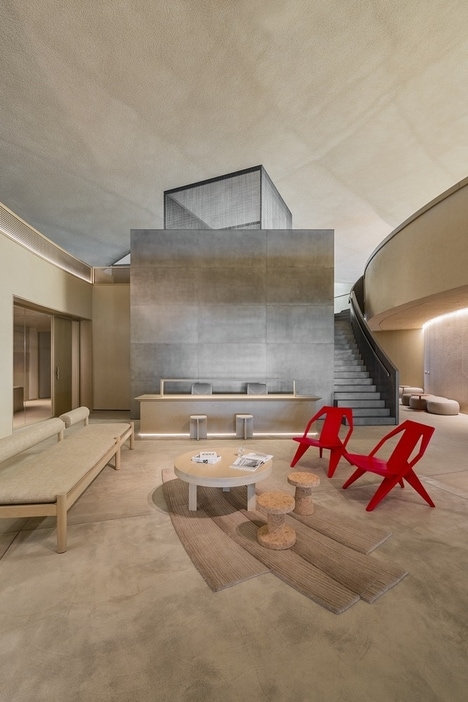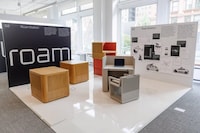
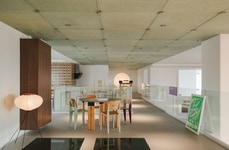
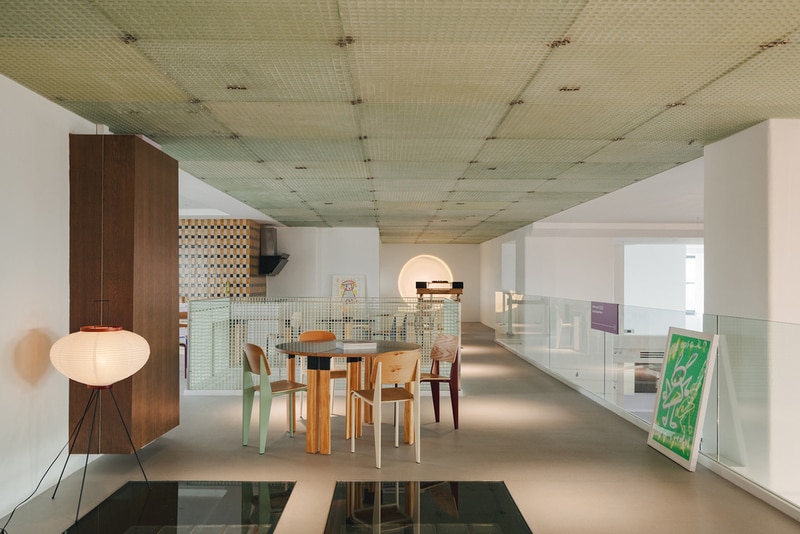
DualSpace Studio introduced the ELIT Office, a two-floor adaptable workplace featuring recurring timber details and modular furniture designed to shift between daily work and event modes. The project integrated 3D-printed components and custom fixtures, with a clear material language tying diverse zones together.
Design resolved structural constraints across mezzanines by layering programs vertically and linking them with a circulation spine, creating connected pantries, a library, training hall, photo studio, meditation room and meeting suites. Materials included stained timber, printed tiles, stainless steel, glass, resin grid ceilings and bespoke lighting, plus carpet-wrapped handles and modular systems for reconfiguration.
For occupiers, ELIT Office demonstrates how architectural systems can enable flexibility without visual fragmentation, improving experience through transformable furnishings and curated atmospheres. The build illustrates a broader trend toward spatial adaptability and craft-forward detailing in modern offices.
Image Credit: DualSpace Studio
Why This Trend Is Growing
- Modular Furniture Systems
- Flexible, reconfigurable furniture platforms that seamlessly switch between work and event modes enable venues to maximize utility and reduce fit-out cycles.
- Vertical Program Layering
- Stacking disparate functions across mezzanines connected by a circulation spine enables denser spatial utilization and new mixed-use office typologies.
- Craft-forward Digital Fabrication
- The blend of 3D-printed components with traditional timber detailing signals potential for bespoke, small-batch architectural elements that carry both customization and artisanal value.
Industries Being Reshaped
- Commercial Office Design
- The rise of adaptable floorplates and curated atmospheres is reshaping tenant expectations for long-term flexibility and experiential differentiation.
- Workplace Technology Platforms
- Integrated sensor-driven controls and reconfiguration-aware software can mediate transitions between modes and optimize space performance in real time.
- Architectural Component Manufacturing
- Demand for modular, finish-rich fixtures creates openings for manufacturers to offer configurable, design-led building elements with shortened lead times.