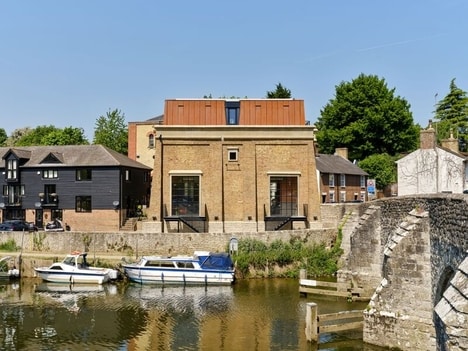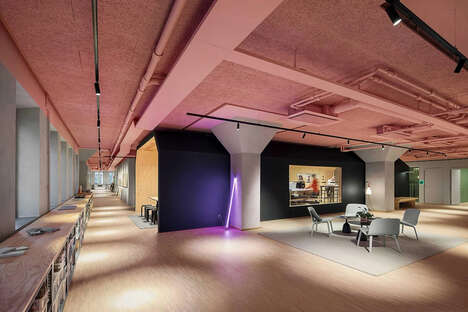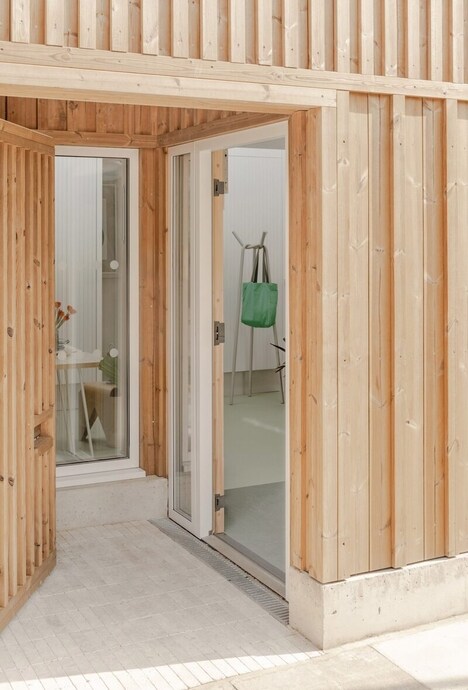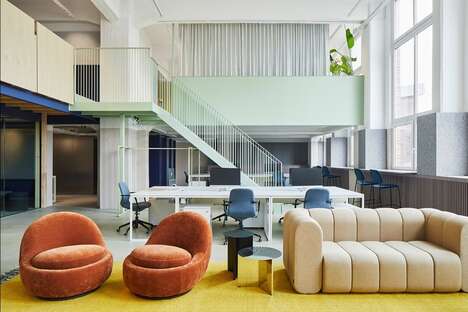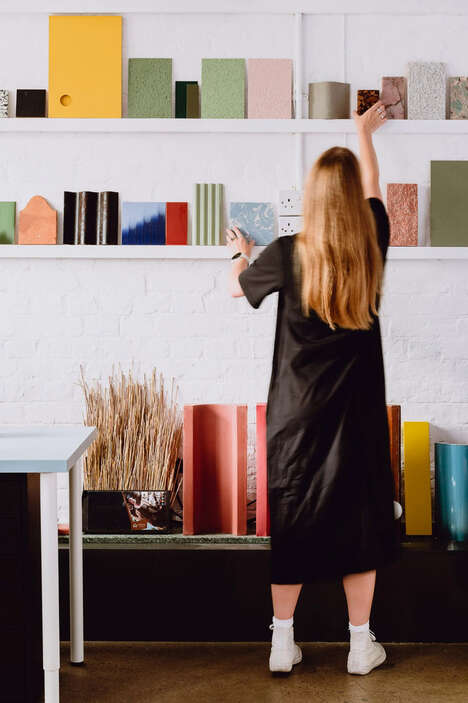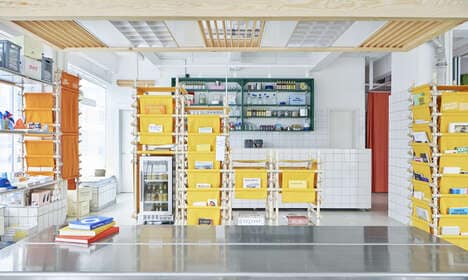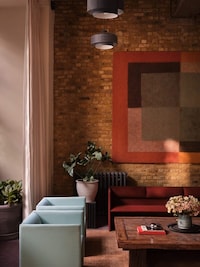
The Twobo Architecture SALT HQ workspace takes a strict approach to material reuse, transforming a Shoreditch warehouse into a flexible office and event hub. Designed for the communications collective SALT, the fit-out recycles onsite materials, construction offcuts, and second‑hand furniture to keep waste and cost low while grounding the design in authenticity.
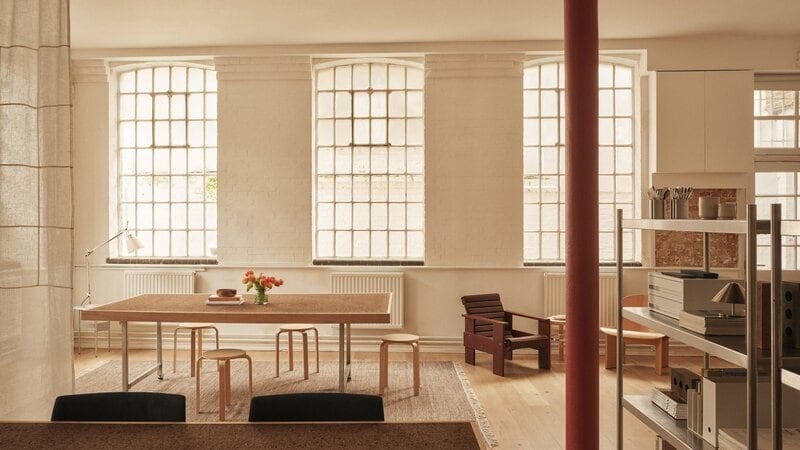
A salvaged kitchen carcass became additional storage, old cupboard doors recycled from secondary markets were replaced with Valchromat sheeting, and rotating butcher’s shelves became bookcases. Key functional elements include two large communal tables made from upcycled steel catering frames topped with salvaged cork and oak trim. A patchwork linen curtain serves as an acoustic divider and soft threshold for changing spatial needs.
Natural light, reflective steel accents, reclaimed timber floors, and muted finishes foster a warm, adaptable environment. SALT HQ proves that sustainable constraints can spark creativity—not compromise it—resulting in a space as personal as it is resourceful.
Image Credit: Felix Speller
Key Themes Behind This Trend
- Circular Office Solutions
- Circular approaches to office design integrate recycled and upcycled materials for sustainable and cost-effective workplace environments.
- Flexible Workspace Configurations
- The adaptability of workspace designs allows for dynamic usage of spaces, catering to both collaborative and individual needs.
- Sustainability-driven Interior Design
- Innovative interior design emphasizes the use of eco-friendly materials and solutions to reduce environmental impact while enhancing aesthetic appeal.
Where This Applies
- Architecture and Design
- The industry of architecture and design increasingly focuses on sustainability, with new methods of material reuse and adaptive design leading to greener spaces.
- Furniture Manufacturing
- Furniture manufacturers are exploring circular economy models, using reclaimed and recycled materials to create modern, sustainable products.
- Real Estate Development
- Real estate developers are adopting eco-conscious approaches, integrating adaptive and sustainable design principles in property renovations and new projects.