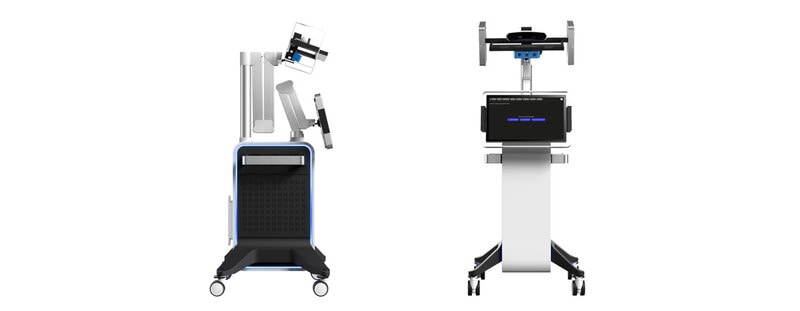
Zeta Surgical introduced the Zeta TMS Robotic System, a robotic transcranial magnetic stimulation positioning platform designed to automate coil placement and maintain targeting during patient movement. The FDA-cleared Class II stereotaxic instrument combines real-time navigation, robotic coil positioning and automatic motion compensation to support more precise and repeatable treatment delivery.
The system continuously tracks patient movement and adjusts the TMS coil to keep stimulation focused on the intended brain region. Zeta said the platform offers submillimeter-level positioning accuracy and can be set up in less than one minute. Accuracy and usability testing was conducted in collaboration with Harvard Medical School and the University of Cambridge, although the announcement did not provide patient outcome data or a commercial deployment timeline.
For patients and clinicians, the system could reduce manual coil readjustments and support more consistent TMS sessions. The clearance reflects growing interest in robotics and navigation technology that standardize noninvasive neuromodulation workflows.
Image Credit: Zeta Surgical
Key Themes Behind This Trend
- Robotic Neuromodulation
- Automated positioning and motion compensation introduce more standardized brain stimulation workflows that can improve consistency across clinics and operators.
- Real-time Treatment Navigation
- Continuous tracking technologies create opportunities for precision-guided therapies that adapt to patient movement during noninvasive procedures.
- Workflow-automated Clinics
- Fast setup and reduced manual readjustment point to care environments where robotics increase throughput while supporting repeatable treatment delivery.
Where This Applies
- Neurotechnology
- Robotic TMS platforms expand the market for advanced brain stimulation tools that blend navigation, automation and therapeutic device design.
- Medical Robotics
- Submillimeter positioning systems highlight new clinical uses for robotics beyond surgery, particularly in outpatient and noninvasive treatment settings.
- Mental Health Care
- More consistent neuromodulation delivery may reshape treatment models for depression and related conditions by making advanced therapies easier to administer.