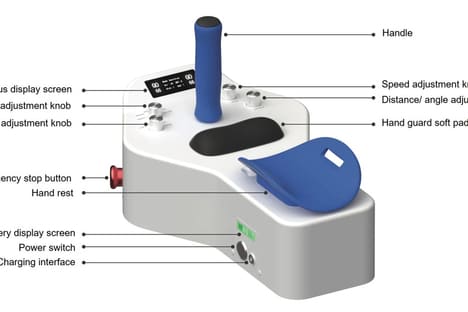

Yuanhua Tech introduced the HX Orthopaedic-specific Robotic Arm and West China Hospital of Sichuan University completed clinical verification in Chengdu, marking a locally developed option for joint surgery. The system features high-precision zero-gravity compensation, compliant control, and tactile feedback designed to support surgeons during procedures.
Yuanhua said the arm delivered stable performance during trials, reporting near-zero lag, latency, deviation and error while aiming to bolster surgical efficiency and data security.
The company emphasized the robot’s suitability for lower-tier and resource-constrained hospitals, noting regulatory clearances and domestic certification received in the last year. For patients and health systems, the HX could lower barriers to robotic-assisted orthopaedics by providing a homegrown, certified alternative to imported platforms, helping redistribute advanced surgical capability across regions.
Image Credit: S_L / Shutterstock
What Makes This Trend Stand Out
- Localized Surgical Robotics
- A domestically developed orthopaedic robotic arm presents the potential to decentralize advanced surgical capabilities away from major centers by reducing reliance on imported platforms.
- Zero-gravity Compensation Control
- High-precision zero-gravity compensation and compliant control in robotic manipulators enable finer surgeon-robot collaboration that could shift procedural accuracy and reduce intraoperative variability.
- Accessible Robotics for Resource-constrained Hospitals
- Lower-cost, certified robotic systems designed for lower-tier facilities could broaden access to robotic-assisted surgeries and reshape regional care distribution and referral patterns.
Sectors Adopting This
- Orthopaedics
- The integration of tactile feedback and low-latency robotics into joint surgery workflows could transform procedural standards and patient outcomes in orthopaedic care.
- Medical Device Manufacturing
- Domestic development and certification of sophisticated surgical robots signals opportunities for local manufacturers to compete on cost, customization, and supply-chain resilience.
- Hospital IT and Data Security
- Emphasis on data security in robotic platforms highlights a growing need for secure data architectures that may redefine procurement and interoperability requirements in hospitals.