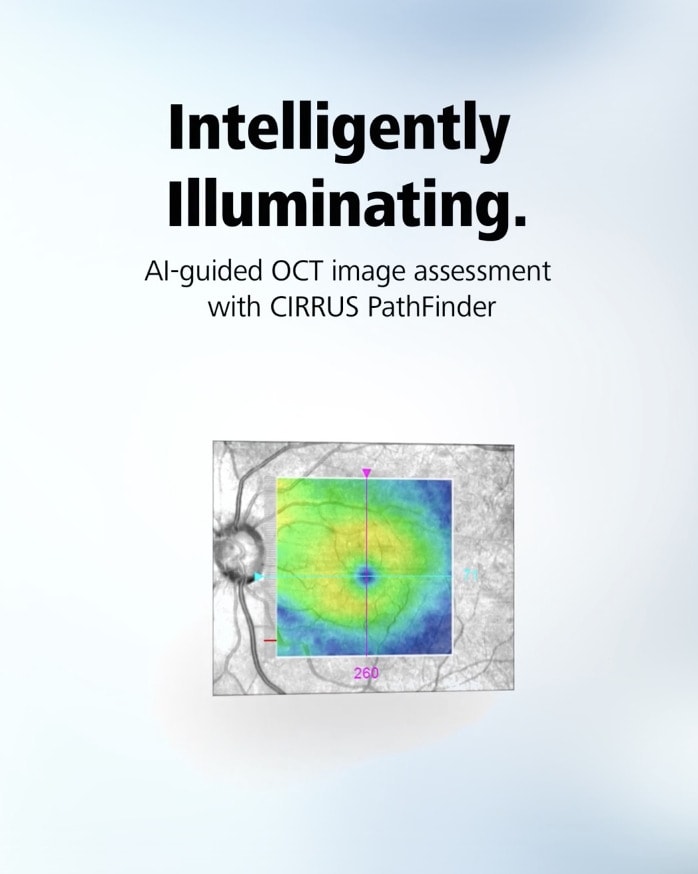
ZEISS Medical Technology has received CE mark approval for an artificial intelligence software module — CIRRUS PathFinder — which was designed to function as an integrated diagnostic aid within its existing ophthalmic imaging systems. This tool utilizes proprietary deep learning algorithms to automatically analyze optical coherence tomography scans of the macula, specifically flagging B-scans that display potential abnormalities for further clinician review.
ZEISS Medical Technology's software is presented as a workflow enhancement, aiming to increase the efficiency and confidence of eye care professionals by processing hundreds of scans in real-time without requiring data export to external platforms. The update also includes improvements to OCT angiography image quality through AI-enhanced visualization and B-scan averaging, alongside expanded multi-layer segmentation capabilities. Furthermore, the release incorporates upgraded cybersecurity protocols and an expanded reference database.
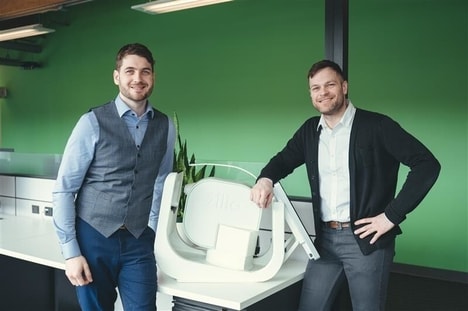
Image Credit: ZEISS Medical Technology
What Makes This Trend Stand Out
- AI-integrated Diagnostics
- AI-driven diagnostic tools are revolutionizing the speed and accuracy with which clinicians can identify and address eye abnormalities, reducing manual review time.
- Real-time Imaging Enhancements
- Real-time imaging advancements are poised to transform ophthalmic procedures by integrating AI to improve scan clarity and highlight critical data efficiently.
- Cybersecurity in Healthcare AI
- With AI adoption growing in healthcare, enhanced cybersecurity protocols are becoming essential to protect sensitive patient data from potential breaches.
Sectors Adopting This
- Ophthalmic Imaging
- The ophthalmic imaging industry stands at the forefront of innovation, merging AI technologies with traditional diagnostic tools to deliver more precise and reliable eye care.
- Medical AI Software
- As AI technology continues to evolve, the medical AI software industry seizes opportunities to develop intelligent systems that augment diagnostic accuracy across various specialties.
- Healthcare Cybersecurity
- Healthcare cybersecurity is a burgeoning field, addressing the rising need for secure management of personal health information amidst widespread AI and digital integration.