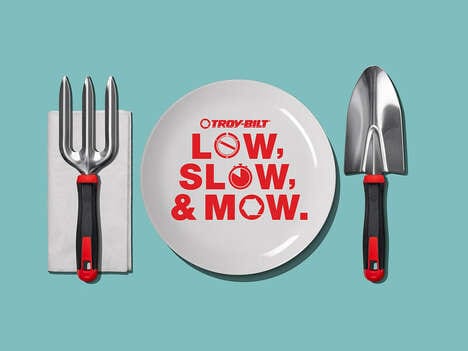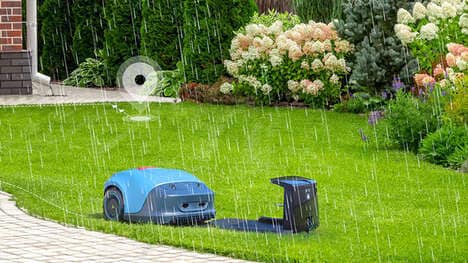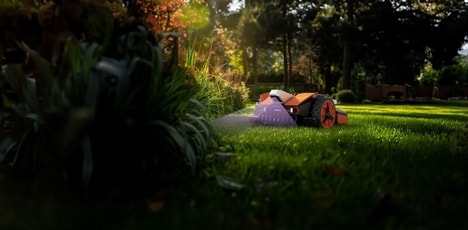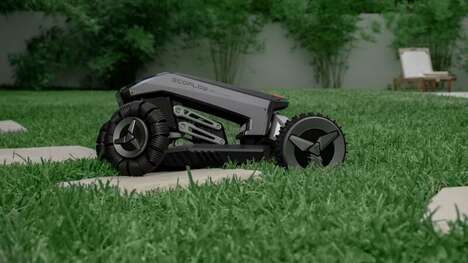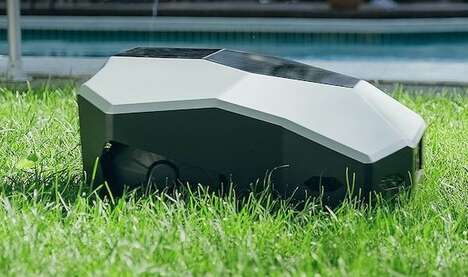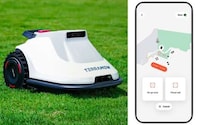
Outdoor power equipment manufacturer Troy-Bilt just launched its first-ever Amazon Alexa skill, called 'Ask Troy-Bilt,' which gives consumers the chance to use the voice recognition tool as their very own smart yard assistant.
The free voice-activated skill is useful for pointing out the best times at which to mow the lawn, based off of a user's user's Google calendar schedule, local weather forecasts, as well as personal preferences. Once the skill for Amazon Alexa is able to pick up on a user's preferences, it will automatically add "Time to mow with Troy-Bilt" to one's calendar. The user will also receive a text message reminder to carry out the chore, or a notification if the event should be rescheduled based on calendar updates or inclement weather.
Key Themes Behind This Trend
- Smart Yard Assistants
- The rise of voice-activated smart yard assistants like Troy-Bilt's Amazon Alexa skill is disrupting the lawn care industry by providing personalized lawn care tips and reminders.
- Integration of Voice Recognition Technology
- The integration of voice recognition technology into outdoor power equipment is creating new opportunities for convenience and ease of use in the lawn care market.
- Automation in Lawn Care
- The automation of lawn care tasks through voice-controlled assistants is revolutionizing the way homeowners take care of their outdoor spaces.
Where This Applies
- Outdoor Power Equipment
- The outdoor power equipment industry can benefit from incorporating voice recognition technology into their products to provide a more seamless and user-friendly experience for consumers.
- Smart Home Technology
- The rise of voice-controlled yard assistants highlights the potential for smart home technology to expand into the outdoor space, offering new possibilities for interconnected and automated systems.
- Digital Assistants
- Digital assistant platforms like Amazon Alexa are finding new applications in the lawn care industry, presenting opportunities for further integration and innovation.
Featured Reports

The Smaller Celebration Economy

The Future of Play Is More Human Than You Think