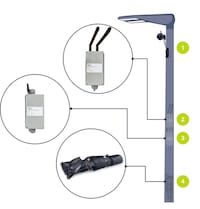

As connected devices continue their march toward total ubiquity, Wi-Fiber's smart, modular street lamps offer an affordable, convenient infrastructural solution for cities and citizens alike. The company has developed a system for retrofitting existing street lamps with connected technology that can do anything from providing Wi-Fi to changing colors or strobing.
The Wi-Fi aspect of Wi-Fiber's street lamps is likely the most interesting aspect for the average city-dweller. Most major cities have strong cellular data coverage, but public Wi-Fi access could save people money on things like data overages.
For cities, there's more than just the appeal of Wi-Fi for citizens. The Wi-Fiber lights' color changing means that they could be used as emergency alert points, or, on a more pleasant note, as a creative way to mark city-wide celebrations.
What Makes This Trend Stand Out
- Connected Street Lamps
- Cities and urban planners can explore retrofitting and replacing traditional street lamps with modular smart street lamps that offer convenient, sustainable and cost-effective infrastructural solutions.
- Smart City Infrastructure
- Smart street lamps can be part of an interconnected network of devices and infrastructure which can enhance the quality of life, citizen safety, and sustainability of urban areas.
- Modular Retrofitting Systems
- Retrofitting existing infrastructure with modular and highly adaptable systems can bring new life and added high-tech capabilities to outdated legacy systems that have been useful for many years.
Sectors Adopting This
- Public Infrastructure
- Companies can offer innovative possibilities for public infrastructure improvement, provide affordable and sustainable solutions to cities, and enable smart city technology for a connected future.
- Smart Lighting
- Manufacturers of smart lighting products have an opportunity to create products that are eco-friendly, adaptable and have multifunctional capabilities for a variety of use cases.
- Connected Devices
- Companies working with connected devices can offer solutions for various industries that promote interconnectivity between devices to optimize the management and accessibility of shared resources.