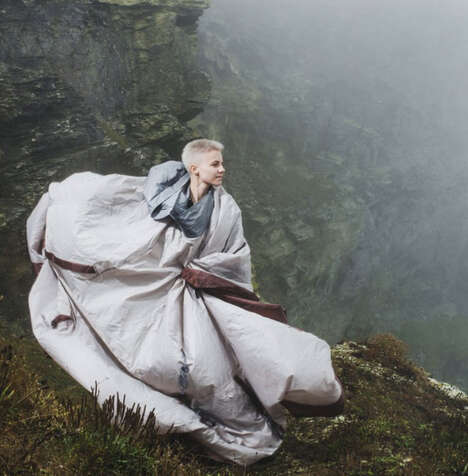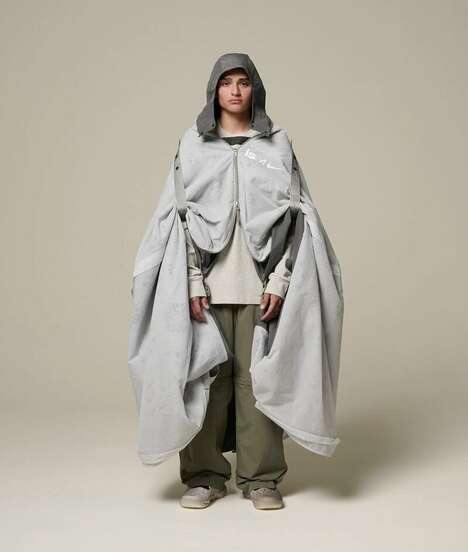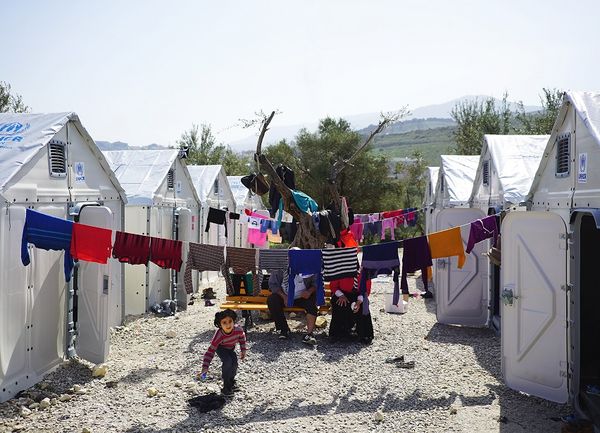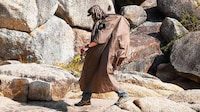

Students at the Royal College of Art have designed the prototype for a wearable refugee tent that works triple duty as a tent, jacket and sleeping bag.
In response to the Syrian refugee crisis that has displaced thousands of people, students competed in a one week long 'hackathon' to brainstorm and produce cost effective solutions for the victims of the refugee crisis. The 'Wearable Habitation' is made out of a paper-like synthetic material called 'Tyvek' and insulated with 'Mylar.' The coat looks like a high fashion garment when worn as a coat and includes large pockets to carry essentials.
The students have launched a Kickstarter campaign to fund the project. They hope for the design to go into further product development and production in 2018.
Why This Trend Is Growing
- Wearable Refugee Tents
- This trend highlights the innovation potential in creating functional clothing that can serve multiple purposes for the refugee population.
- Tyvek and Mylar Materials
- This trend showcases the opportunity for manufacturers to explore unique synthetic materials for creating durable and insulated products.
- Hackathon for Humanitarian Solutions
- This trend emphasizes the need for collaboration and rapid problem-solving within the design and technology sectors to address global crises.
Industries Being Reshaped
- Fashion and Apparel
- This industry could explore the development of innovative and multifunctional clothing options for various user groups, including refugees.
- Material Manufacturing
- This industry can embrace the opportunity to create and refine new synthetic materials that offer durability, insulation, and other desirable properties.
- Design and Technology
- This industry should further foster hackathons and similar events where creative professionals collaborate to develop practical solutions for humanitarian issues.