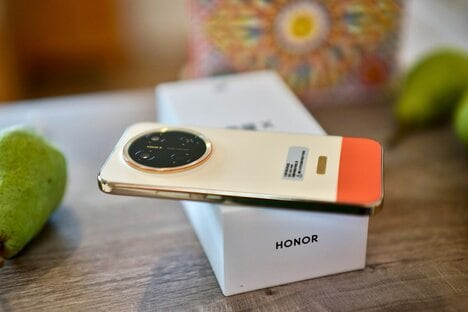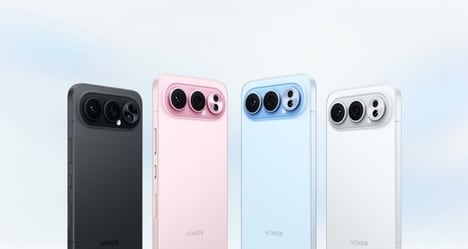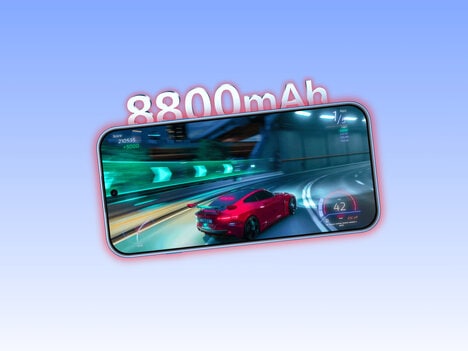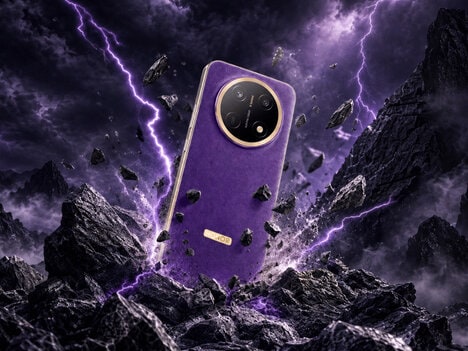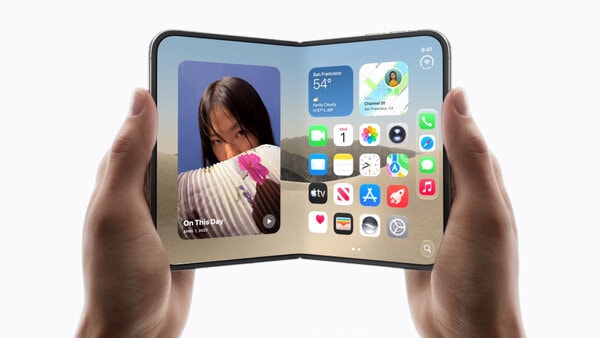
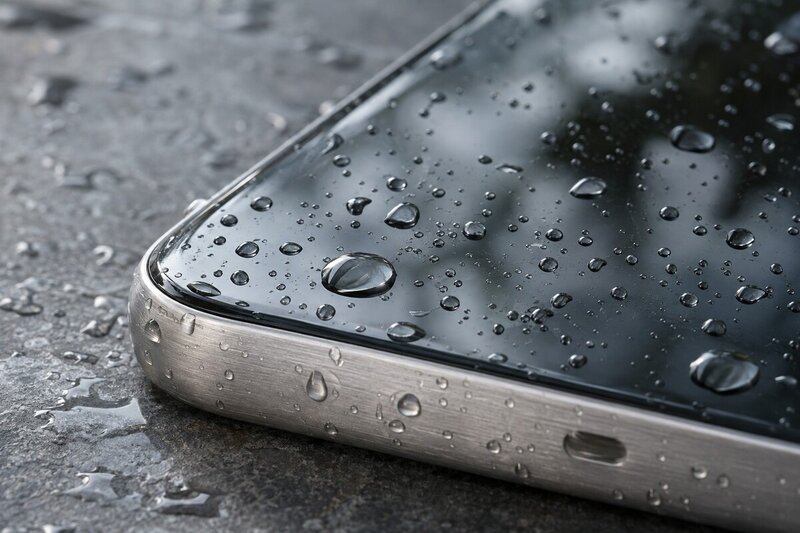
Huawei starts the OSTA line with the OSTA O1 Pro, a smartphone that largely matches the Pura X View but drops the ultrawide camera and shifts to a short, broad shape. Its 15:9 AMOLED screen keeps the phone short while the water-resistant body still makes room for a 7,000 mAh battery.
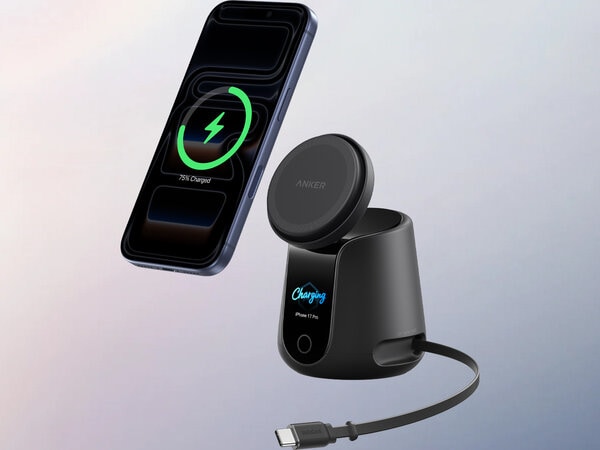
Wired and wireless charging keep that large pack practical in daily use. Huawei also keeps a 200 MP main camera and adds a spectral sensor aimed at more natural color.
China-first availability and pricing from ¥5,499 frame the OSTA O1 Pro as a premium domestic debut, and Huawei has not confirmed a wider release. Starting the OSTA series with near-identical hardware to the Pura X View turns the line into a format test, asking buyers to trade an ultrawide camera for a shorter, wider handset.
Image Credit: AI-generated
What Makes This Trend Stand Out
- Short-wide Smartphones
- Compact, broad handset formats create room for alternative ergonomics that differentiate premium devices beyond screen size and camera count.
- Battery-first Flagships
- Larger-capacity batteries in high-end phones signal a shift toward endurance as a premium feature alongside display quality and imaging performance.
- Natural-color Mobile Imaging
- Spectral sensors paired with high-resolution cameras expand smartphone photography into more accurate color reproduction for content creation and commerce use cases.
Sectors Adopting This
- Consumer Electronics
- Premium device makers are using form-factor experimentation to test whether niche hardware preferences can support new flagship sub-brands.
- Mobile Telecommunications
- High-capacity, water-resistant smartphones increase demand for charging infrastructure, network optimization, and service bundles tailored to heavy daily usage.
- Digital Imaging
- Advanced camera sensors embedded in smartphones blur the line between mobile devices and dedicated imaging tools for creators and professionals.
Featured Reports

The Future of Food Isn't Always About Invention

Verified Economy