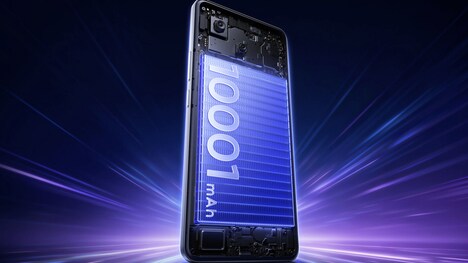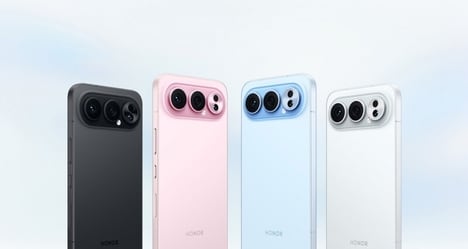
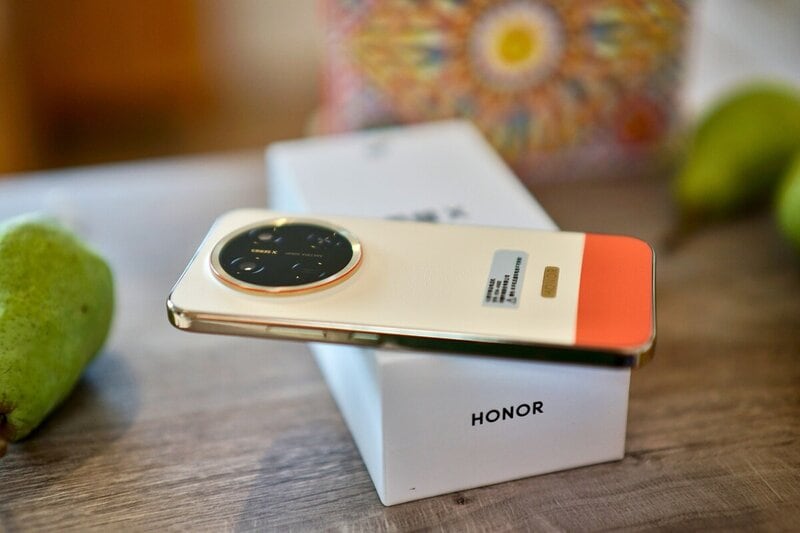
Honor's X80 Pro Max is a mid-range smartphone built around an 11,000 mAh battery, giving it endurance as its headline feature. The device recorded over 29 hours in a Wi-Fi runtime test and can easily last about two days of typical 12-hour waking use. It supports fast charging up to 90 watts and imported units are often shipped with a charger included.
The handset remains surprisingly slim at 8 millimeters and weighs 203 grams despite that massive cell. It also packs an extremely bright AMOLED display and adds Wi-Fi 7, though practical speeds fall short of expectations. Camera hardware takes a simpler approach with a single rear camera that captures reasonably sharp photos but struggles with zoom.
For consumers this means fewer daily charges and a phone that behaves like a pocket power bank for long stretches away from outlets. The mix of heavy battery capacity, thin engineering and a bright AMOLED screen appeals to buyers prioritizing runtime over advanced camera versatility. Its affordable import pricing positions it as a pragmatic choice for endurance-focused shoppers.
Image Credit: Honor X80 Pro Max
Key Themes Behind This Trend
- Ultra-endurance Smartphones
- Large-capacity batteries in mainstream handsets create opportunities for devices that prioritize multi-day use over premium camera stacks or ultra-lightweight designs.
- Slim Power-dense Design
- Advances in compact battery packaging and thermal management are reshaping expectations for how much energy can fit inside thin consumer electronics.
- Practical Feature Prioritization
- Mid-range phones centered on battery life, fast charging and bright displays reflect a shift toward utility-led differentiation in crowded smartphone markets.
Where This Applies
- Consumer Electronics
- Power-dense mobile hardware opens space for products that combine longer runtime, slim form factors and fewer compromises in everyday usability.
- Mobile Telecommunications
- Always-on connectivity features such as Wi-Fi 7 paired with extended battery life support new service models for users spending longer periods away from charging infrastructure.
- Battery Technology
- High-capacity cells engineered for compact devices highlight growth potential in safer, thinner and faster-charging energy storage systems.