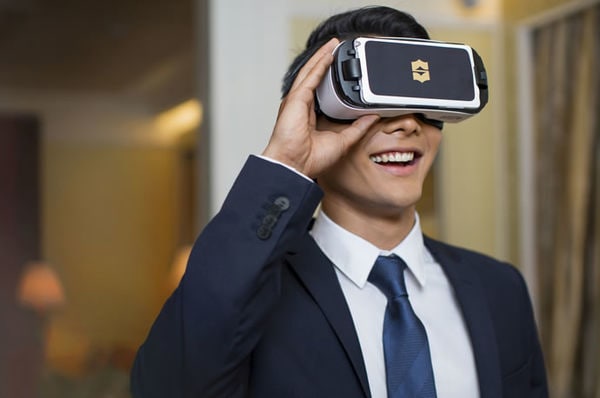

The United Nations recently created a VR refugee camp experience in order to better communicate the harsh realities of a current global crisis to world leaders. The pop-up took place at the United Nations' New York Headquarters and utilized the Samsung Gear VR headset. The leaders first experienced the virtual reality film, while they were the audience to a talk afterwards.
The VR refugee camp experience transports users to the Za'atari refugee camp close to the Jordan-Syria border and follows the story of Sidra, a 12-year-old girl currently living there with her family and 80,000 other displaced Syrians.
The unique educational use of virtual reality in this sense is a intriguing take on its power as a modern storytelling tool. Specifically, this use of virtual reality is aimed at inspiring empathy from world leaders who have a stake in whether or not their nation will support crisis aid efforts.
What's Driving This Trend
- Virtual-reality Empathy Building
- Using VR technology to inspire empathy for world crisis and conflicts in a unique and immersive way.
- Education VR Tours
- Creating VR experiences to provide an educational and immersive learning experience.
- VR as Modern Storytelling Tool
- Leveraging VR to create a more immersive, engaging, and impactful storytelling medium.
Who This Affects Most
- Virtual Reality
- Exploring opportunities for VR technology to be utilized for educational and storytelling purposes to solve social problems.
- Humanitarian Aid
- Utilizing new and emerging technologies to create innovative solutions for humanitarian crises.
- Entertainment
- Exploring how VR can become a more engaging storytelling medium that brings audiences to new, immersive experiences.