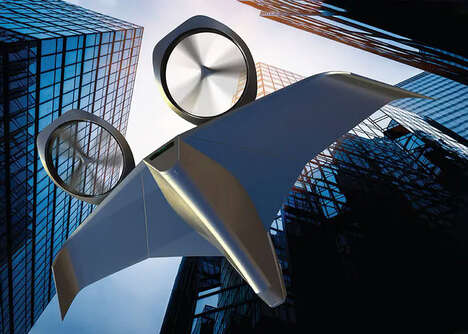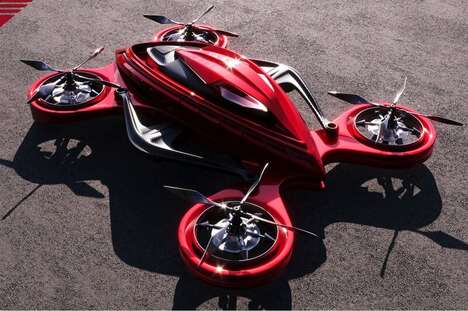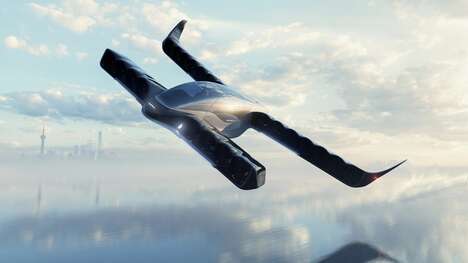
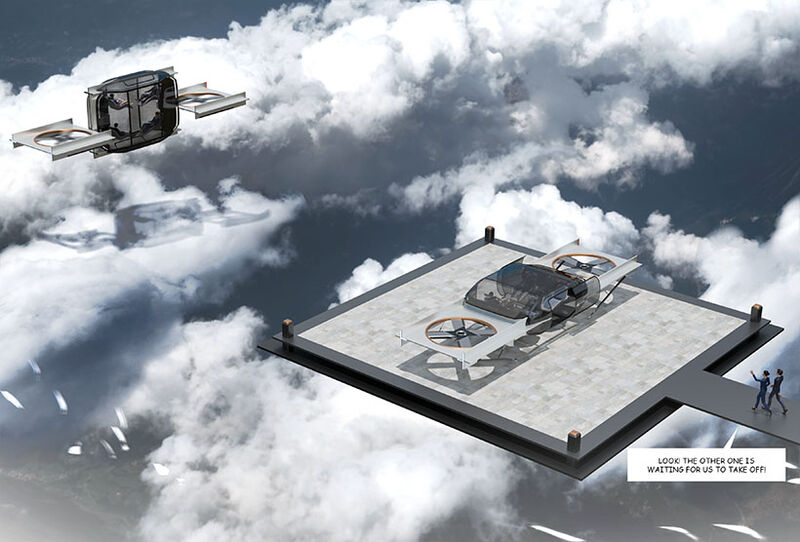
The conceptual Volvo Air 360 has been designed by Nacho Alfonso García for the 2020 Volvo Design Challenge as a transportation solution that looks to the skies for the future of transportation. The vehicle maintains a sleek design that incorporates a see-through cabin that can rotate in a 360-degree manner to provide uninterrupted views of the surrounding environment. This would provide passengers inside the drone with the feeling of flying to help them enjoy a thrilling experience every time they board.
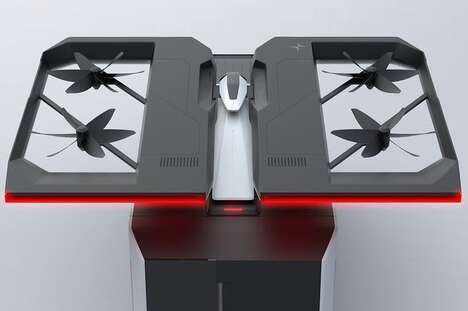
The conceptual Volvo Air 360 maintains a fully autonomous design that is electric for an emissions-free functionality. The drone vehicle highlights shifting rotors that would rotate for seamless takeoff and landing, while also greatly accelerating the speed at which passengers can travel.
Image Credit: Nacho Alfonso García
What's Driving This Trend
- Autonomous Flying Vehicles
- Volvo Air 360 is an example of a fully autonomous flying vehicle that could be a game-changer in the transportation industry.
- 360-degree Rotating Design
- The Volvo Air 360's rotating cabin design could set the precedent for similar designs in the future.
- Electric and Emissions-free Functionality
- The electric and emissions-free functionality of the Volvo Air 360 aligns with the trend towards sustainable transportation options.
Who This Affects Most
- Transportation
- The development of autonomous flying vehicles like the Volvo Air 360 could disrupt traditional modes of transportation.
- Aerospace
- The Volvo Air 360 points to potential opportunities for innovation in aerospace, particularly in the development of fully autonomous flying vehicles.
- Sustainable Energy
- The Volvo Air 360's electric and emissions-free functionality aligns with the trend towards sustainable energy and could spark innovation in the field.