
Amsety created 'Minds24,' the first Alexa skill designed to track mental capacity in people with liver conditions, the company says. It gives patients and caregivers a regular record of cognitive changes to discuss with a clinician. It runs on Amazon Alexa via an Echo device, and registration is free.
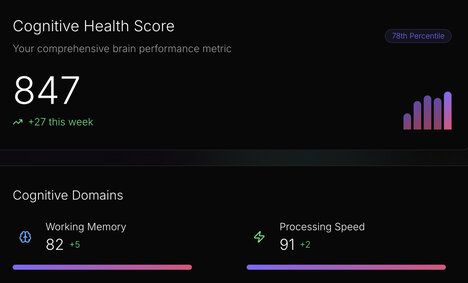
Each session uses guided questions and tasks to rate three areas, including cognitive performance and mental well-being, with results shown separately rather than as a single combined score. At a set daily time, Minds24 starts automatically, and caregivers can receive updates on completed or missed check-ins when the user allows it.
Amsety shows how a free Alexa skill can provide patients and caregivers with a daily record of cognitive performance and mental well-being, with separate results for each area.
Image Credit: AI-generated
What's Driving This Trend
- Voice-based Patient Monitoring
- Smart speaker health tools are expanding passive home-based tracking, creating openings for low-cost clinical data streams outside traditional care settings.
- Caregiver-connected Check-ins
- Permission-based alerts for missed or completed assessments highlight new potential for shared digital oversight between patients, families, and clinicians.
- Condition-specific Cognitive Tracking
- Disease-focused mental capacity tools point to more personalized digital screening models that can capture subtle changes tied to chronic conditions.
Who This Affects Most
- Digital Health
- Voice-enabled assessments add accessible monitoring formats that can broaden remote care services for aging and chronically ill populations.
- Smart Home Technology
- Everyday devices like Echo speakers are becoming health interaction hubs, suggesting new roles for consumer hardware in clinical support ecosystems.
- Liver Disease Care
- Daily cognitive and well-being records introduce richer patient-reported data sources for managing complications associated with liver conditions.
Featured Reports

The Smaller Celebration Economy
When AI Builds the Basket