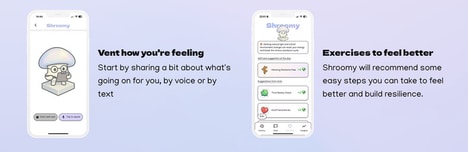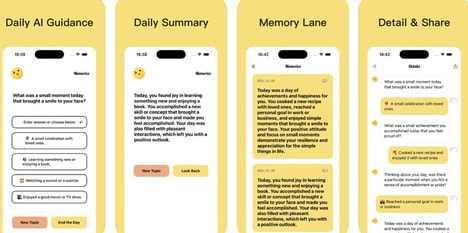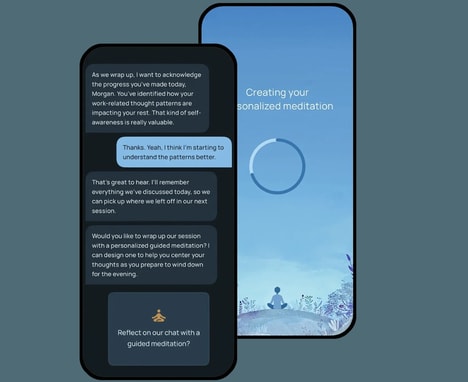
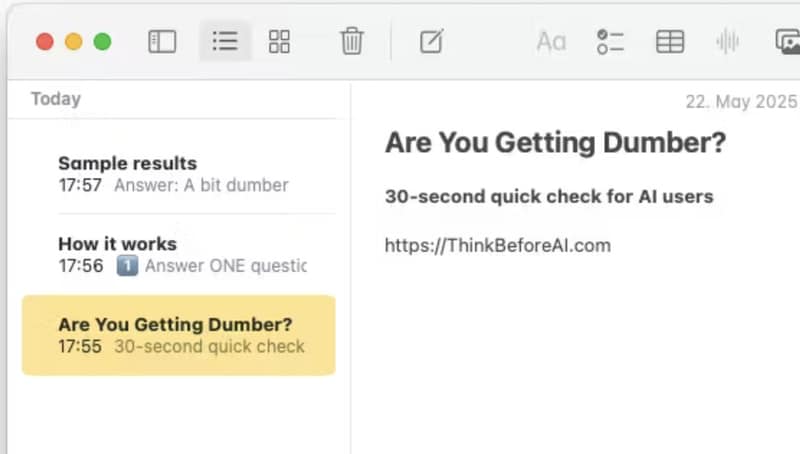
Is AI Making You Dumber? operates within the digital wellness and cognitive self-assessment space, focusing on quick mental checks that explore how AI interaction may influence thinking habits. It presents a single-question, 30-second test that delivers immediate feedback, encouraging users to reflect on their cognitive sharpness in the age of constant AI assistance.
The experience blends curiosity with self-evaluation, turning a light interaction into a prompt for awareness about dependency on automated tools. It also includes optional weekly tips aimed at maintaining mental engagement and independent thinking. Rather than providing clinical assessment, it functions as a conversational checkpoint that invites users to consider how often AI is used for decision-making, reasoning, or recall. By packaging reflection into a fast micro-experience, it turns a broad cultural question into a simple, repeatable moment of self-observation.
Image Credit: Is AI Making You Dumber
What's Driving This Trend
- Micro Cognitive Assessments
- Short, single-question tests that measure momentary cognitive sharpness present new ways to quantify mental engagement in seconds-long interactions.
- AI Dependency Awareness
- Growing interest in understanding how AI influences reasoning creates demand for metrics that reveal patterns of cognitive offloading and reliance.
- Conversational Wellness Micro-interactions
- Brief, chat-like checkpoints paired with optional tips form a new category of lightweight mental-health touchpoints embedded in daily digital routines.
Who This Affects Most
- Digital Wellness Platforms
- Platforms focused on screen-time and mental habits can incorporate instant cognitive checks to surface correlations between app usage and declines in independent thinking.
- Edtech and Lifelong Learning
- Educational products could use rapid self-tests to detect learning gaps and shifts in problem-solving that occur when learners rely heavily on AI aids.
- Enterprise Knowledge Management
- Workplace systems have the potential to monitor employee reliance on AI assistants through micro-assessments that indicate when institutional knowledge retention is weakening.