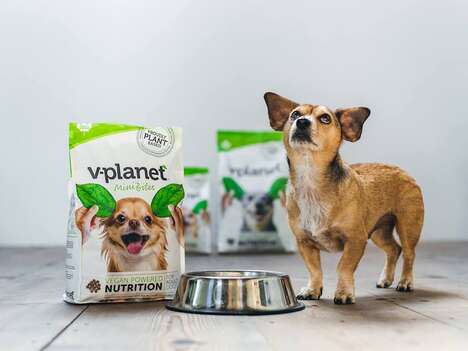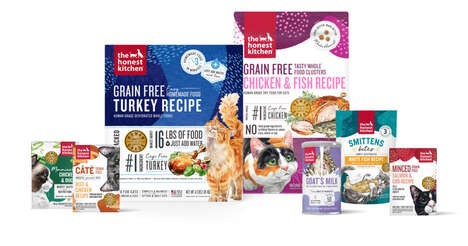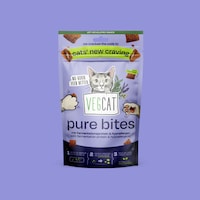
Vegan cats: is it wrong? There has been a buzz in the media about the controversy behind feeding your naturally carnivorous pets a purely animal-product-free diet.
Vegan is the next step up from vegetarianism, meaning no fish, eggs or dairy can be included in a diet. Most people argue that it’s detrimental to an animal that feeds solely on meat in the wild, like a cat, to be fed these ‘humane’ diet, and that it is in fact cruelty toward the domesticated creature.
A few sites with differing opinions include VeganCats.com (a vegan site that is pro-meat for felines), EssentialVegetarian.com (“cats must not be fed vegetarian or vegan diet”) and the op-ed columnists that started the debate thanks to the article, ‘Cat Got Your Fish?’ in the New York Times.
Why This Trend Is Growing
- Vegan Pet Products
- The trend of pet owners seeking animal-free pet food creates an opportunity for companies to create vegan pet products.
- Ethical Pet Ownership
- Pet owners are increasingly conscious of the impact their choices have on their pets and the environment creating an opportunity for businesses who provide ethical pet ownership solutions.
- Alternative Protein Pet Food
- As pet food manufacturers look for new sources of protein and ditch traditional meat proteins, alternate protein pet food products will see a surge in demand.
Industries Being Reshaped
- Pet Food Industry
- The pet food industry must cater to the growing demand for vegan and ethical pet food.
- Technology Industry
- The rise of vegan and ethical pet food products will create an opportunity for technology companies to develop innovative solutions to produce alternative protein pet food.
- Sustainability Industry
- Sustainability-focused companies can explore vegan pet food products as a way to promote ethical and sustainable pet ownership.