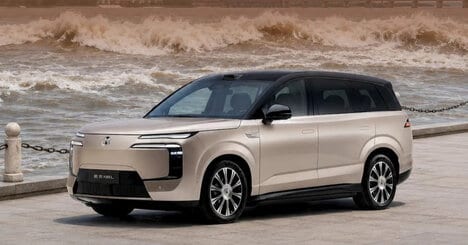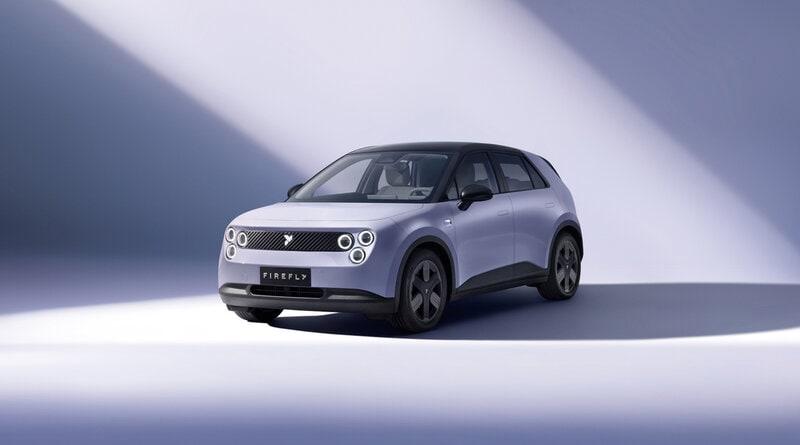
Nio is expanding the 'Firefly' city car with an upgradeable battery pack that lets current owners move from the existing 42.1 kWh setup to a larger 60 kWh version. The change increases the car's CLTC-rated range from 420 km to 560 km, giving drivers more distance without changing the car's footprint.
The larger pack uses the same dimensions as the old one and switches from lithium-iron phosphate to nickel-cobalt-manganese chemistry. Nio's battery-swapping stations are the likely place for the upgrade, which matters because the company already uses those stations to swap packs in minutes.
At 560 km, the Firefly's battery option turns range into something owners can change after purchase instead of living with the original pack size. That moves battery capacity closer to a service choice, not a fixed spec, and it could make smaller EVs easier to keep relevant as drivers' needs change.
Image Credit: Firefly
What's Driving This Trend
- Post-purchase Range Upgrades
- Electric vehicles with capacity upgrades after purchase create new value models where range becomes a configurable service rather than a fixed ownership constraint.
- Battery-swapping Ecosystems
- Station-based battery replacement networks can support rapid energy upgrades, chemistry transitions, and flexible ownership experiences beyond simple recharging.
- Small EV Longevity
- Compact electric cars with modular energy systems gain extended relevance as changing mobility needs can be met without replacing the entire vehicle.
Who This Affects Most
- Electric Vehicles
- Automakers gain room to differentiate entry-level EVs through upgradeable components that preserve affordability while expanding long-term utility.
- Battery Technology
- Energy storage providers can benefit from standardized pack dimensions that allow improved chemistries to enter existing vehicle platforms.
- Mobility Services
- Subscription-style battery capacity and swap-based access models blur the line between vehicle ownership, infrastructure services, and energy retail.