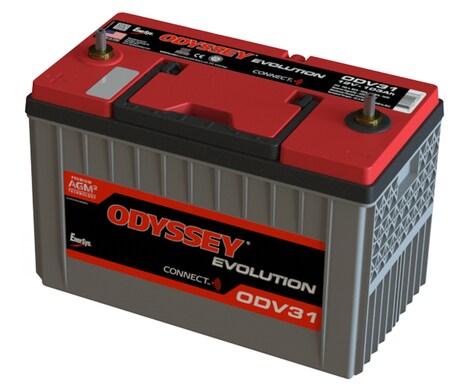

China’s Contemporary Amperex Technology Co. Limited (CATL) introduced the 5C battery, a high-rate EV cell featuring ultra-fast charging capability and extended lifecycle performance. Launched in 2026, the 5C design reportedly supports a charging speed that can refill a battery in roughly 12 minutes while incorporating self-healing electrolyte additives and temperature-responsive coatings. The product name and maker were clearly stated in the announcement.
The pack’s claimed specs include a lifespan on the order of 1.8 million kilometers with 80% capacity retention after aggressive fast-charging cycles, alongside safety-focused materials that reduce thermal degradation. CATL positioned the 5C alongside its sodium-ion Naxtra portfolio, highlighting complementary use cases for home energy storage and extreme-temperature resilience. The technical approach blends chemistry tweaks and protective surface treatments to address rapid-charge stresses.
For consumers, the 5C battery’s combination of speed, durability and safety could lower operating costs and enable more viable vehicle-to-home and solar-coupled charging setups, supporting decentralized energy use. If realized at scale, the cell shifts economics around ownership and fuel sourcing by reducing replacement frequency and enabling quick top-ups, a meaningful step in EV adoption trends and distributed energy systems.
Image Credit: Summit Art Creations / Shutterstock.com
What's Driving This Trend
- Ultra-fast Charging
- A 12-minute recharge capability reshapes refueling patterns by enabling near-instant EV turnaround and compact high-throughput charging infrastructure.
- Self-healing Electrolytes
- Electrolytes with self-repairing chemistries promise extended cycle life and reduced thermal runaway risk through in-situ molecular restoration.
- Extended-lifespan EV Cells
- Cells marketed for millions of kilometers of service alter total-cost-of-ownership calculations and support vehicle platforms designed for multi-owner lifecycles.
Who This Affects Most
- Electric Vehicles
- Mass adoption dynamics shift as short top-up sessions and multi-million-kilometer battery warranties enable new ownership and fleet utilization models.
- Home Energy Storage
- Faster charge acceptance and temperature-resilient chemistries broaden the practicality of vehicle-to-home integration and long-duration residential backup systems.
- Battery Manufacturing & Materials
- Advanced surface coatings and additive chemistries create demand for novel production lines and supply chains focused on high-rate, safety-first cell architectures.